
5.0
Our Almost True Story
“This is a true story. Nothing of it happened.”
(Kleo on Netflix).
Disclaimer: You have reached part 5 of this website, which differs in style and content from the previous and following sections. The following three chapters depart from the strict scientific writing approach to present an autofictional narrative, including characters and dialog. This approach serves three purposes:
It allows us to describe the creative process that led to this website and the development of an alternative model while maintaining our anonymity. This part is more personal.
Our chosen narrative form is engaging and effective in presenting complex, dry scientific concepts. It helps bridge the gap for a non-academic audience, making many aspects of the PVT more accessible and understandable.
A fictional narrative offers greater freedom of expression, as the characters are imaginary. While the rest of the site is written in a neutral scientific tone, this section is intended to connect with your emotions rather than just your logical mind.
The following story is a mixture of fact and fiction. We may or may not have said or heard such dialogues. The protagonists may be right or wrong in their statements. However, all the biological and psychological considerations are valid, as are the 2500 references we provide in Part 7
5.1.1
Who are we?
Hi,
Here we are: Alice, Bob, Sam, and Ben (aka absb).

ALICE
I am a Belgian psychologist specialized in neurodiversity (e.g. autism and ADHD), living in Antwerp (Belgium). With my passion for books, articles and words, I'm the absolute nerd of the project.
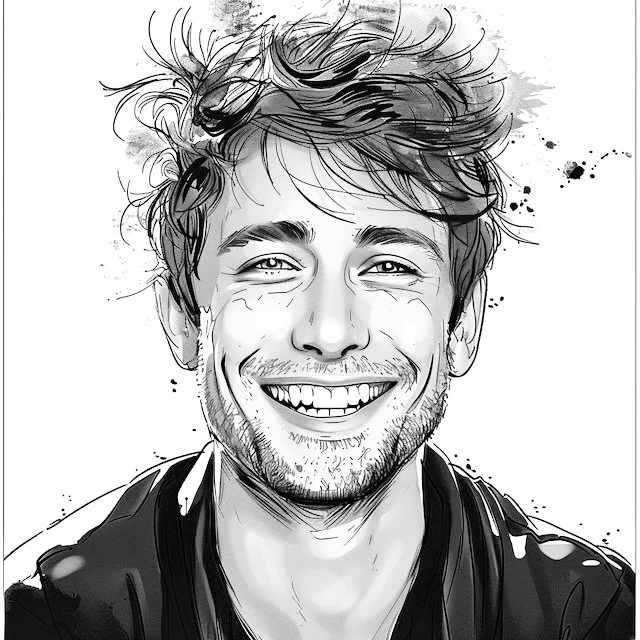
BOB
I'm a French biologist interested in the philosophy of science. I divide my time between Paris and Louvain-la-Neuve (Belgium).

SAM
Hi! I am an American journalist living on the West Side of Manhattan, NYC. I specialize in science reporting. Because of my mixed ethnic background — black and Hispanic — I'm sensitive to social prejudice.
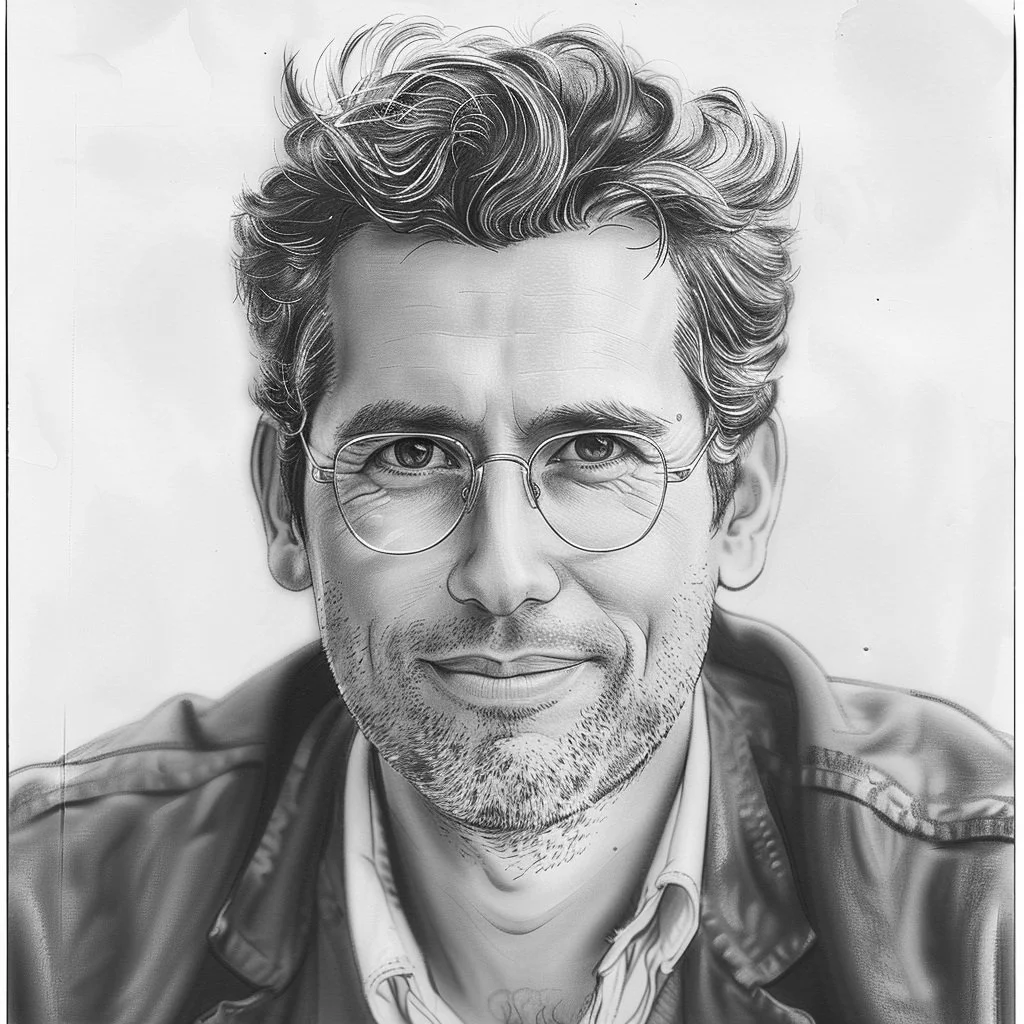
BEN
I'm an American psychiatrist living in Brooklyn. After specializing in psychotraumatology, he became interested in the “off the derech” phenomenon.
5.1.2
Why did we create this project?
ALICE
I started the project alone. Bob and I met on the train from Paris to Brussels. Sam and Ben met on a plane from Miami to New York. Ben was a childhood friend I had lost touch with. We reconnected after many years when I asked him for advice.
Although Polyvagal Theory didn't answer our questions about the nervous system — especially the autonomic system — we didn't know what to do. Perhaps we were also paralyzed by a sense of incompetence. Three factors changed our minds:
Thanks to the work of Grossman, Taylor, Neuhuber, Berthoud, Wikipedia, and several others, we discovered that we weren't alone in our disagreements.
Access to new research (e.g., optogenetics and molecular biology) that we couldn't have dreamed of ten years ago.
The persistent newsletters from American and European training centers and publications (books, videos, and posters) glorifying PVT motivated us to react.
We had to do something…
Over the months, as team communication developed, we learned to benefit from each other. The fact that we were very different in terms of personalities, work pace, and how we came to the project provided an opportunity for a global approach.
In the following sections, each of us will give a personal explanation of how we came to feel that the PVT wasn't right.

ALICE

Antwerp, Belgium
Being neurodivergent
My parents made a good choice when they gave me the name Alice. Like Lewis Carroll's hero, I'm always ready to go down a rabbit hole and discover new worlds that no man has ever seen. So, polyvagal? Yes, the hell I was interested!
I'm neurodivergent, not in the restrictive sense of autism, but just anything that's not neurotypical or “not normal”. Autistic, Asperger, hypersensitive, ADHD, hyperactive, gifted, I think I have them all, like Camilla Pang (2021). So I have a huge need for reassurance. When I was introduced to the Polyvagal Theory, I had a strange reaction. The polyvagal narrative was fascinating, and I could see why such a theory could fill the void left by dying psychoanalysis. However, my enthusiasm quickly faded as I read Porges' claims about autism. I had heard many explanations for my autism:
Bettelheim and the so-called “refrigerator mothers” causing autism
Attachment: John Bowlby and Mary Ainsworth created the model of attachment and the four forms of attachment. Although they didn't specifically address autism issues, their views of maladaptive behavior have been widely used to describe autism. See (Diamond, 2008).
Mirror neurons: Rizzolatti and Gallese, studying the behavior of macaque monkeys, have opened the way to a new hypothesis. Read Broken Mirrors: A Theory of Autism (Ramachandran, 2006) and you will find the “broken mirror” theory of autism, which suggests that a dysfunction in the mirror neuron system underlies the communication deficits seen in autism.
The biomedical approach (Defeat Autism Now!): blaming vaccinations (Wakefield), infections, and biochemical deficiencies. The project was discontinued in 2011 and repurposed by the Autism Research Institute (ARI). See critics here.
Biogenetic explanations increasingly became the most accepted model as low-cost, high-speed genetic analysis became available around 2010. Porges continued to ignore current scientific knowledge, blaming doctors for diagnosing autism and biogenetics for making autism “irreversibly permanent” (Porges, 2024). Instead, he clings to his “reptilian” hearing hypothesis, which recent articles don't support. If you are autistic, so many things seem wrong. Interestingly, if you search TikTok or Medium.com, most of the criticism of the PVT comes from self-identified autistic people. As much as we love animals, comparing us to reptiles in a subtle, implicit Porgesian way is not cool. It makes me sad. It can make me feel imperfect. We already know all the promises of magically curing autism (see DAN). The weak evidence provided by Porges raises doubts: is it scientific proof or marketing? “Before and after pictures of autistic children are seductive, but not enough.
Colors
The second reason I was hesitant is more trivial. In my opinion, the PVT is wrong about colors. As a person with autism and ADHD, I have developed unconventional strategies for understanding theories. My learning strategies rely heavily on visual tools, transforming two-dimensional spaces into three-dimensional ones, or using colors as the main argument in a scientific discussion. I'm very interested in the science of signals and computer graphics. The scientific community is slowly catching up with commercial marketing regarding visual communication.
Infographics are visual representations of information, data, or knowledge designed to present complex information quickly and clearly. They often include images, charts, and text to effectively convey messages, such as instructions on washing your hands or promoting acceptance of diverse people.
Recently, Porges and the polyvagal community began using color to translate their concepts into images. I disagreed with their choice of colors. A paper by Muret (2014) revealed a more promising alternative and confirmed my intuition. I spent months collecting objects and images of different colors, searching for their effect on me. I found that colors have a strong didactic (knowledge transfer) and heuristic (discovery) power. Meeting Bob, who focused on energy levels, allowed me to combine the visual dimension with biology.
Socialization
Finally, the social values promoted by Porges are questionable. His equation of security = social engagement = happiness doesn't take into account several facts:
Social life costs energy, especially for autistic and ADHD people, who “mask” all day long in all social contexts (except with peers). Burnout patients also avoid social contact because they lack the energy to engage socially.
Many creative, introverted, or hypersensitive people recharge in solitude, which doesn't fit the social polyvagal hypothesis. Others avoid visual or physical contact because it can be sensory overwhelming. See also The Myth of the Loneliness Epidemic (Joppich, 2024).
In summary, a large group of people — primarily neurodivergent people — do not feel understood or represented by the PVT.
BOB
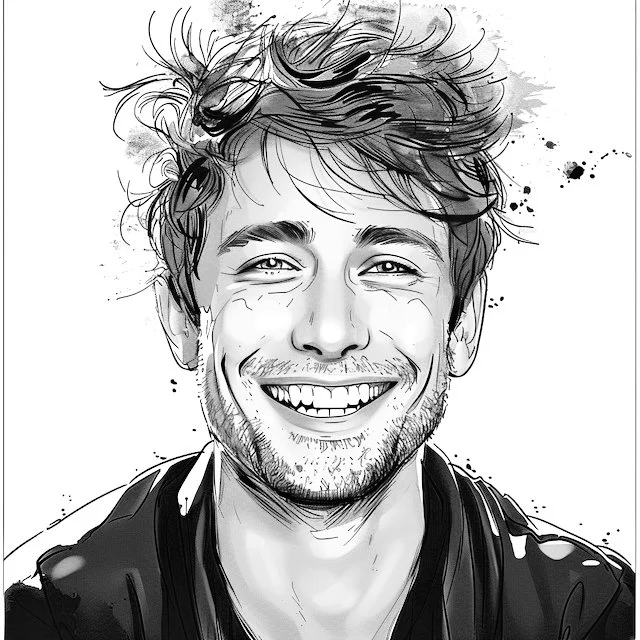
Paris, France
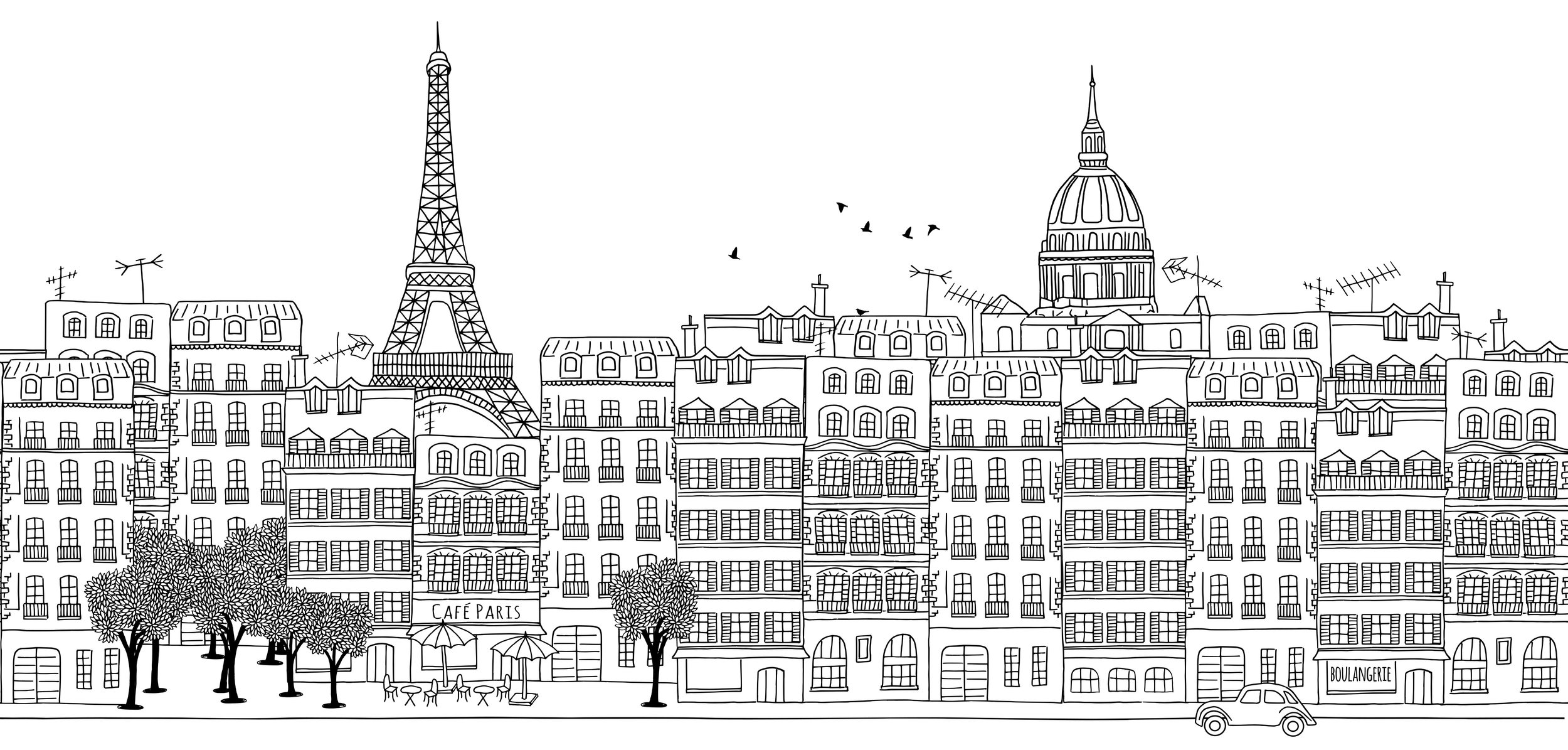
Biology has been my passion since childhood. Darwin, Crick, and Watson were my heroes. I had my first microscope when I was twelve. I remember the excitement of preparing my first slide — a drop of water from the neighborhood pond. A whole new world opened up to me — vibrant and chaotic. Like Fleming, I grew mold in my room, to my parents' horror.
Twelve years later, I had my master's degree in biology. By then, biology had changed entirely — full of acronyms and numbers and insanely complicated. After a few years in a prestigious lab, I was tired of being the super-specialized expert. I wanted to keep thinking globally, over the fence. So, I became a biological headhunter. My mission was to identify and mentor the most promising students and postdocs. In this way, I quickly became familiar with various biology-related topics.
Sophie on the Boulevard

My encounter with the PVT was serendipitous. A friend asked me to mentor a young woman studying philosophy. Sophie wanted to write a thesis on fallacies in the sciences. Naturally, I told her to concentrate on biology. She started with Haeckel and Lamarck. I suggested MacLean. Lemerle (2021) had just published a critical book on the “reptilian brain.” We had our meetings online, since COVID-19 still had a social curfew. One summer day in 2021, I proposed meeting on the terrace of the Café de Flore on the Boulevard St. Germain. There would be enough fresh air to dilute the viruses. Sophie came and spoke. She was a typical, well-spoken, stylish Parisian intellectual, expressing herself with precision and self-confidence — one could be impressed. After talking for half an hour, she suddenly leaned over to me. “Robert, have you heard of the Polyvagal Theory?” she asked in a conspiratorial tone. I said no, so she spent the next twenty minutes explaining this brand-new theory to me while the evening stream of passing cars accompanied her words. Fortunately, the noise helped me concentrate. What she said was enough to pique my curiosity. Over the next few days, I read everything I could find on the subject. I'm a fast reader.
The Polyvagal Theory reminded me a lot of the “Reptilian Brain” saga of MacLean and Carl Sagan. I quickly had doubts. It wasn't so much the “what” that bothered me, but the “how”. Biologists are probably the worst “believers”. They want facts and evidence. Also, the French are known to be doubters and perpetual naggers. Porges had a little je-ne-sais-quoi of vanity — the way he insisted here and there on his supposed success — that irritated me. His style was also too redundant and lyrical. The words and the facts were scientific, but the way he worked was not, in my opinion. I found a lot of cherry-picking and confirmation bias. A paradise for fallacy hunters. When I later confronted Sophie, she vehemently refused to see it that way. She suddenly became aggressive and told me, quite unexpectedly, that she didn't think we could continue working together. I was more puzzled than angry. Did I run over her dog?
Alice on the Train

Meeting Alice a year later on the Paris-Brussels train was a very happy coincidence. I had more or less forgotten about the polyvagal thing, but as soon as we realized that we shared the same values, I had a complete reboot. Unlike Sophie, Alice was shy and delicate yet bursting with mental energy. She was quick-thinking, extremely efficient, and always willing to question her point of view. Her weakness? Too much reading. More than 2000 articles and books and counting. She needed an organizer. Before we got to Brussels, we agreed to work together.
Because I tend to overthink, I crave simplicity and organization. My references are Bauhaus and Japanese minimalism. In science, I use Occam's razor. According to the 14th-century monk William of Ockham, you always prefer the simpler one if you have two competing ideas to explain the same phenomenon. Debunking the Polyvagal Theory helped me sharpen my Occam's razor and understand the most “essential property” of life (Aristotle): energy!
SAM

West Side, Manhattan, USA
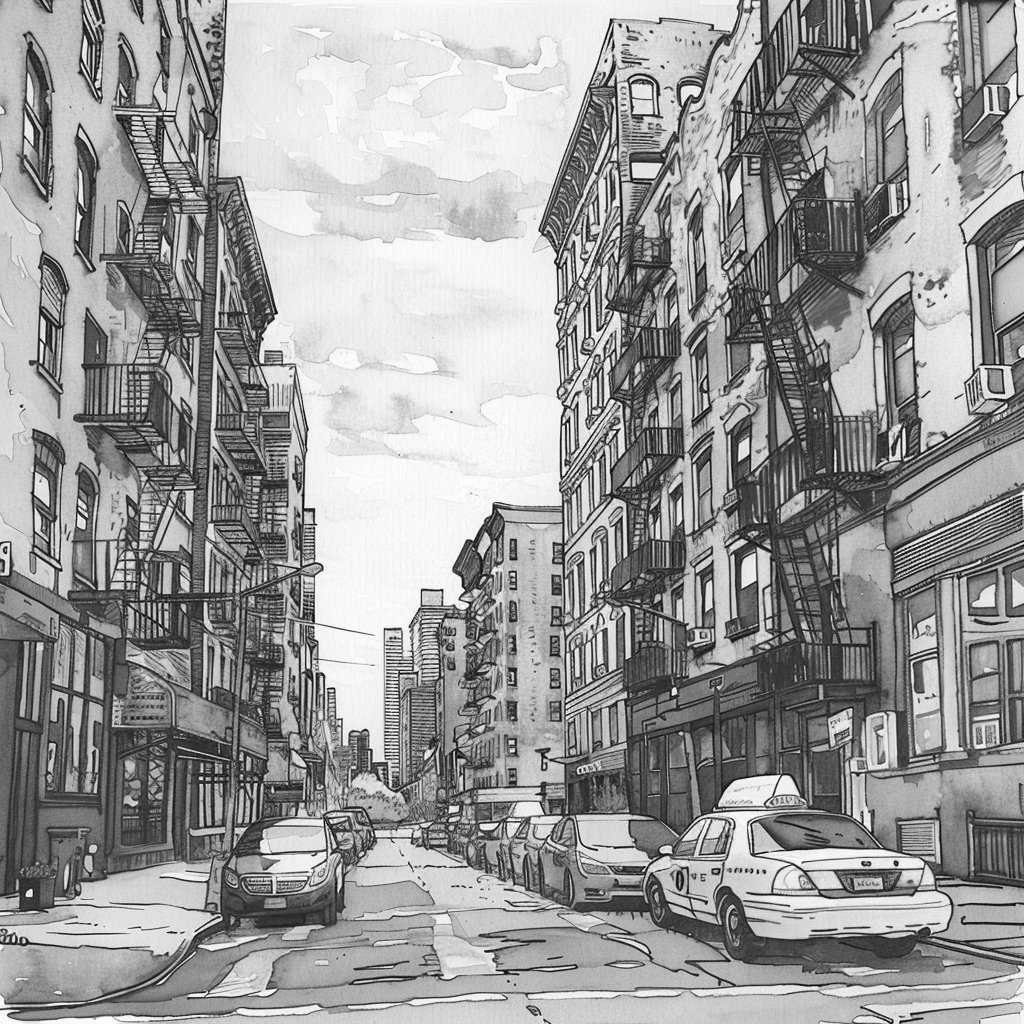
Resilience
I've never understood the fascination with Polyvagal Theory. From the first time I read it, I saw the PVT as a hierarchical construct, with superior vs. inferior. This dichotomy, reminiscent of the “civilized vs. savage” narrative, is one I'm all too familiar with. I can't help but be triggered when I hear friends discussing this — excuse me - “old white man” gobbledygook with such excitement. As a science journalist, I've been trained to question my sources thoroughly. And I must admit that I'm not a fan of how Porges handles information, cherry-picking what he needs to support his theory.
But that's not what I wanted to talk about. My personal history has forced me to be tough. As the daughter of immigrants, I learned that I couldn't be nice and soft to survive. Evolution has not turned its agenda toward sociality, as Porges suggests. Evolution is really about one thing: survival. The social brain is just another tool for better survival. The discovery of fire and the cultivation of the earth allowed modern humans to divert significant amounts of energy from the gut to the brain. As the brain grew in size, giving us that impressive Julius Caesar profile, we used it to outwit our conspecifics, or so the Machiavellian theory goes.
I recently came across Is resilience a unifying concept for the biological sciences? (Reed. 2024), which proposes to integrate knowledge from different levels of biological organization, from genomic (cell nucleus) resilience to large population resilience. This unifying vision, from micro to macro, is exciting. The model we propose in the next chapter (What else?) follows these lines.
Let's consider an alternative view of resilience that goes beyond PVT. In the Porgesian sense, resilience is about being embedded in a social structure (family, friends, or community), which makes sense, especially in the face of adversity. But there's more. Survival is not a given. It's something you earn. We must train and be prepared. We must fight and keep ourselves from freezing, through movements and words. Overall, the PVT ignores or devalues what makes us strong and alive: sports, adventure, and good sex. You know what I mean. Not to mention hip-hop and rock'n'roll, wild dancing and speed riding. Like I said, wild.
Love your Adrenaline!
As I said, confrontation makes us stronger — and more resilient. Scientists call it “hormesis. I have discovered a way to overcome fear, cold, and pain:
Cold showers at home or under a small waterfall. I hold the shock and avoid cutting off my breath — it makes me feel full of life.
Pushing my legs and enjoying the tingling in my calves while running or climbing stairs.
Mastering the speed of my Ducati Monster 797.
Going to the shooting range and shooting a few rounds. Well, mostly on my PlayStation.
Hey, I'm not Spartan, either! I love tenderness and caresses, sharing a good meal with friends, meeting my family, or playing silly games with my nieces.
If you ask me, Porges got stuck somewhere along the way with the mother-baby dyads. This iconic gaze does happen, but does it sum up and define how people meet? Where are the warm embraces, the Latin “abrazos” and the French “enlacements”? Or the “give me five!” Or the dap — a handshake of dignity and pride — with slaps, snaps, and fist bumps? The face is not the whole story.
Porges' claim that love is a mammalian trait is not without its skeptics. Could love really be a universal trait among mammals, or is it a more recent cultural acquisition? Schuiling (2003) offers a contrasting view, suggesting that monogamy, often associated with love, is a rare occurrence in the mammalian world, accounting for only 3-5% of the approximately 4000 mammalian species.
Living in the city, my sense of security is not a primal instinct, as Porges proposes, but a conscious decision I make with my frontal brain. It's the calculated act of turning the three locks on my New York apartment. My phone is charged, I'm in the black (at the bank), and my blood work is fantastic. To me, that's security.
BEN
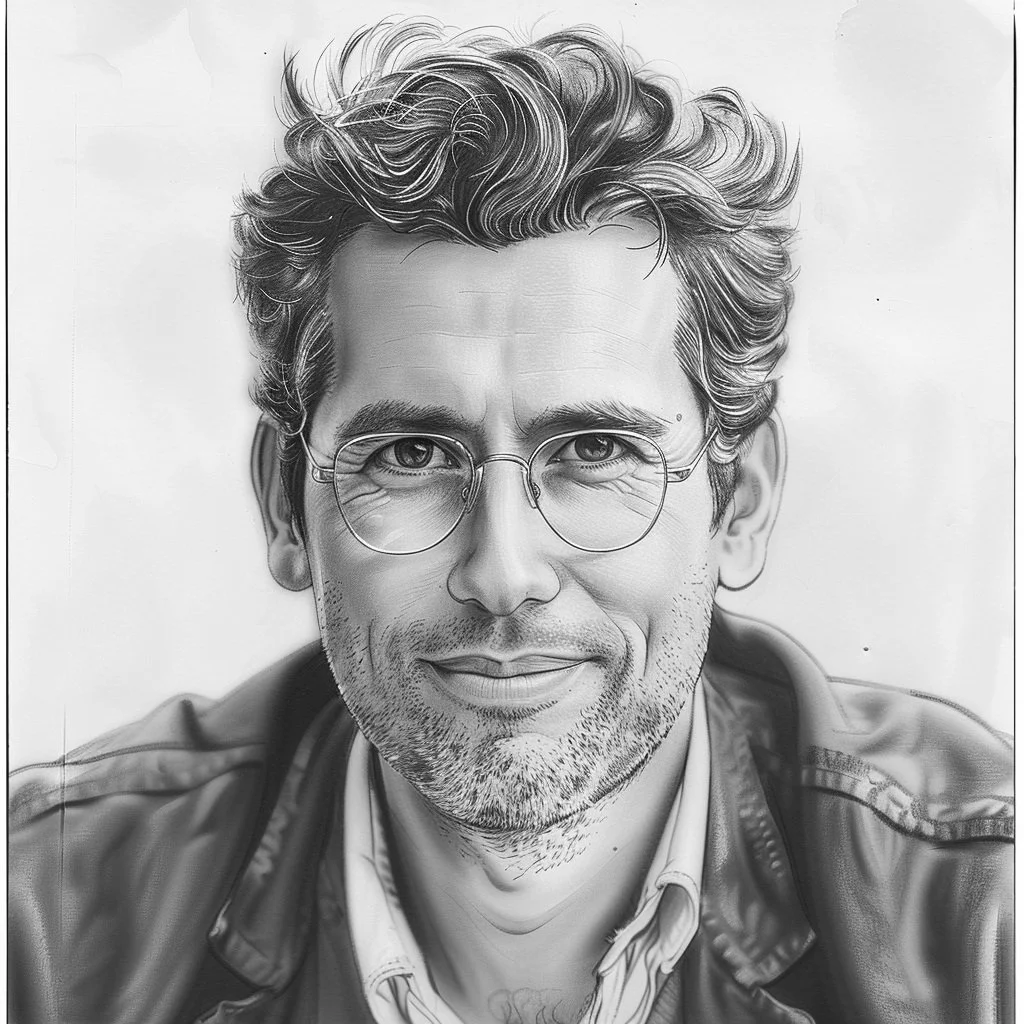
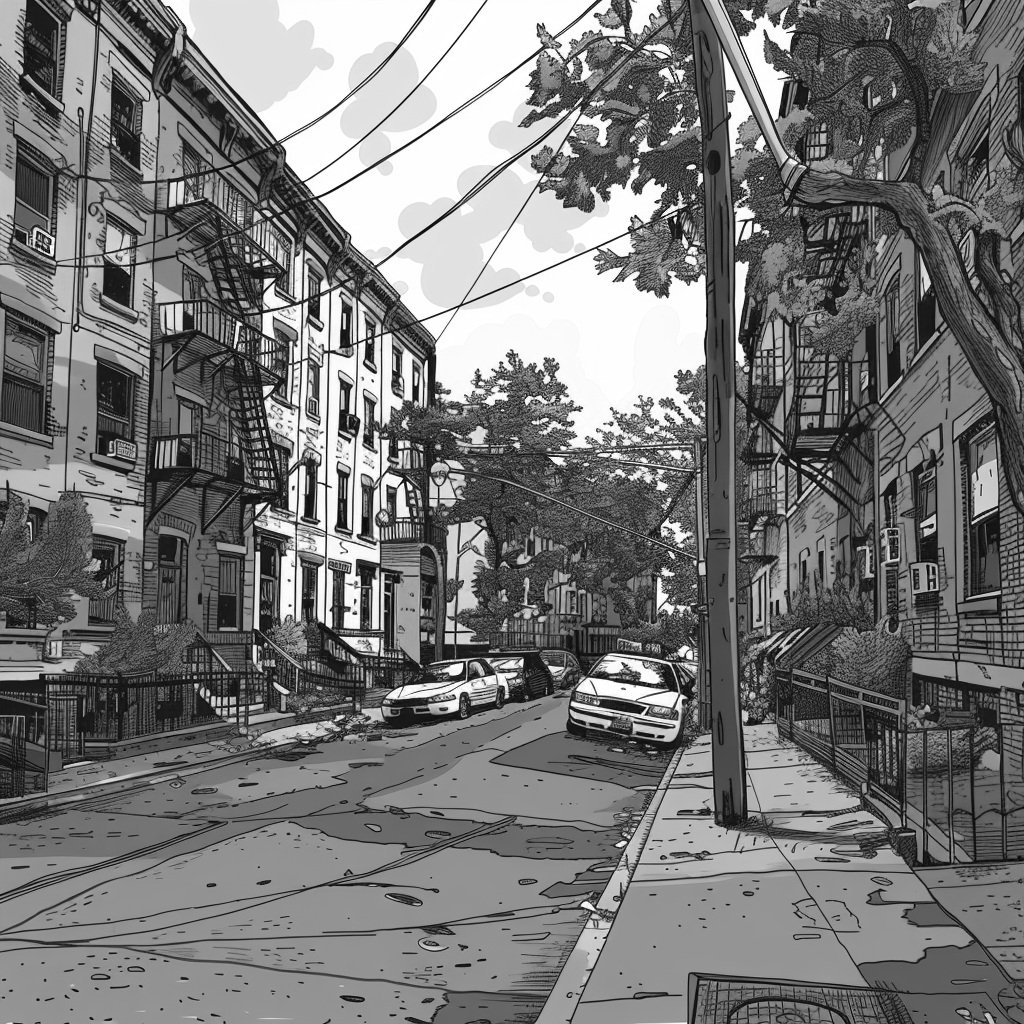
Brooklyn, USA
Empowering patients
Porges is not a psychotherapist. Since you can't learn psychotherapy from a book, he probably knows what his friends Bessel van der Kolk and Peter Levine told him. Besides, the traumas these two great writers describe in their bestsellers are mostly monotraumas. A complex trauma is ... complicated. It's “DISSOCIATION FOR REAL” as Basquiat would say–not just numbing. It can endanger the client as well as the therapist. Not only that, but it requires strategy and patience.
When Porges emerged as a leading figure fifteen years ago, I was fascinated by the polyvagal hierarchy–like many colleagues. This groundbreaking concept expanded the traditional understanding of physiology by introducing a third state alongside the ergotropic and trophotropic categories. It was a revolution in the field. Inspired by my lectures, I tried to apply this concept to my brief therapy techniques (hypnosis, NLP, EMDR, or EFT).
No books or articles led me to the Polyvagal Rails, but my patients. They are my source of knowledge. I like to observe and support their autonomous healing process. I “authorize” them to do so — a word that means to increase and allow (Latin root: augeo = to make grow) (Picoche, 1971). Victims of violence must regain agency before they can engage socially.
The Haunted Self (van der Hart, 2007) presents a therapeutic model for highly dissociated patients. They first learn to manage their phobia of thought and attachment and to regulate their reactions. Unfortunately, the most energetic emotional part (EP) is also the most destructive — like in a cell, the mitochondria gain precious ATP through dangerous oxidative processes. Treating DID (Dissociative Identity Disorder) requires a high level of expertise, far beyond a “polyvagal-informed” curriculum.
The process is much easier and smoother with clients without DID. However, the therapist cannot just be understanding and kind. He must make them strong. Most interventions follow the same principle: “visit” the content (thought or memory) without immobilization! In practice, patients are asked to move their eyes and hands, stomp their feet, or mentally count while focusing on the content and breaking the conditioned reflex through mobilization.
Like Reich and Lowen before him, Peter Levine extensively uses vigorous mobilization. Porges, on the other hand, insists on interpreting it as a regressive, sympathetic-driven shift. He needs to understand the healing value of forceful action.
I have often witnessed how victims can correct injustice by visualizing the punishment or destruction of the perpetrator. It's the best medicine for powerlessness. Too frequently, I have seen victims try to understand, excuse, and forgive the abuse at their own expense. Justice must be done. Forgiveness comes much later, if at all. Regularly, I must let my patients discover the inner power to be ruthless, mean, and brutal. That's not what we want for this world, but don't angels have swords? Therapy is a nonviolent space to own violence as a resource, not a threat.
Pause
For many years, I thought the correct therapeutic sequence was to move my patients from immobility to mobility and socialization. But some of them didn't follow the algorithm. They preferred to stay in a mental space without fight or flight. This was not a submission either. It was hiding, becoming invisible, sleeping long hours, or resting and passively healing. They needed time. Two things happened that helped me move forward:
After completing my Rapid Hypnosis training in 2016, I could use the technique with some patients. I also discovered the fantastic experience of deep relaxation. The immediate change was not just mental. I didn't want to interrupt a physical experience of complete immobilization. My body was dumb and heavy; my head was light and alert — a dissociative state of delicious indifference.
During COVID-19 and after, more patients came to me with burnout problems. As a physician, I put most of them on sick leave. Contrary to some authors who recommend “activating” exhausted patients, it is evident that they require a break. Psychotherapy was not enough. During this time, they stopped working for months and reduced all unnecessary social activities. Talking to Alice made me aware of the cost of communication.
I understood then that I needed a therapeutic model in which the state of “pause” could have a positive valence. Social interactions were indeed not the ultimate goal of our lives. But we needed to figure out how to place and name social states in this configuration — between high-energy (activation) and low-energy (deactivation) states.
In summary, to work correctly in psychotherapy, therapists need to deconstruct the polyvagal pyramid — or the polyvagal yo-yo, as Alice says — and place the specific energetic spaces side by side, allowing for a creative shift from one state to another.

What’s going on here? Read my presentation in the Icelandic Workshop!
>> to the next chapter What did we learn?