
5.3.0
Three Days in Iceland to Create a New Model
This narrative tells our search for a new model during a three-day workshop in Iceland. Bob, the biologist reflects on energy, Alice, the color artist introduces a didactic color code, Ben, the psychotherapist shows therapeutic strategies, and Sam, the biker takes everyone on a tour.

Day One
BEN
Our hours of jet lag for the Americans, two hours for the Europeans — Iceland seemed the best option to meet in person. Sam and I arrived from JFK on Friday morning. Upon landing at Reykjavík Airport, travelers were greeted by a modern, relaxed atmosphere. The place was packed with travelers in transit or explorers with all their trekking gear as if returning from a mammoth hunt. We picked up the van at the rental office and found a place to park and sleep for a few hours. The night was very short. Alice and Bob would arrive from Brussels and Paris in the afternoon.
It was a strange moment when we met physically for the first time. Body language, right? Excited and embarrassed, we exchanged American hugs and French kisses on the cheek, with Alice holding the handshake. Without further ado, we were off. I was at the wheel, with Bob assisting me with directions. Soon, “On the Road Again” by Canned Heat was blaring from the speakers. Some protest came from Sam in the back of the van. “Wait for my hip-hop, buddy.” Alice was in her bubble, listening to a podcast.
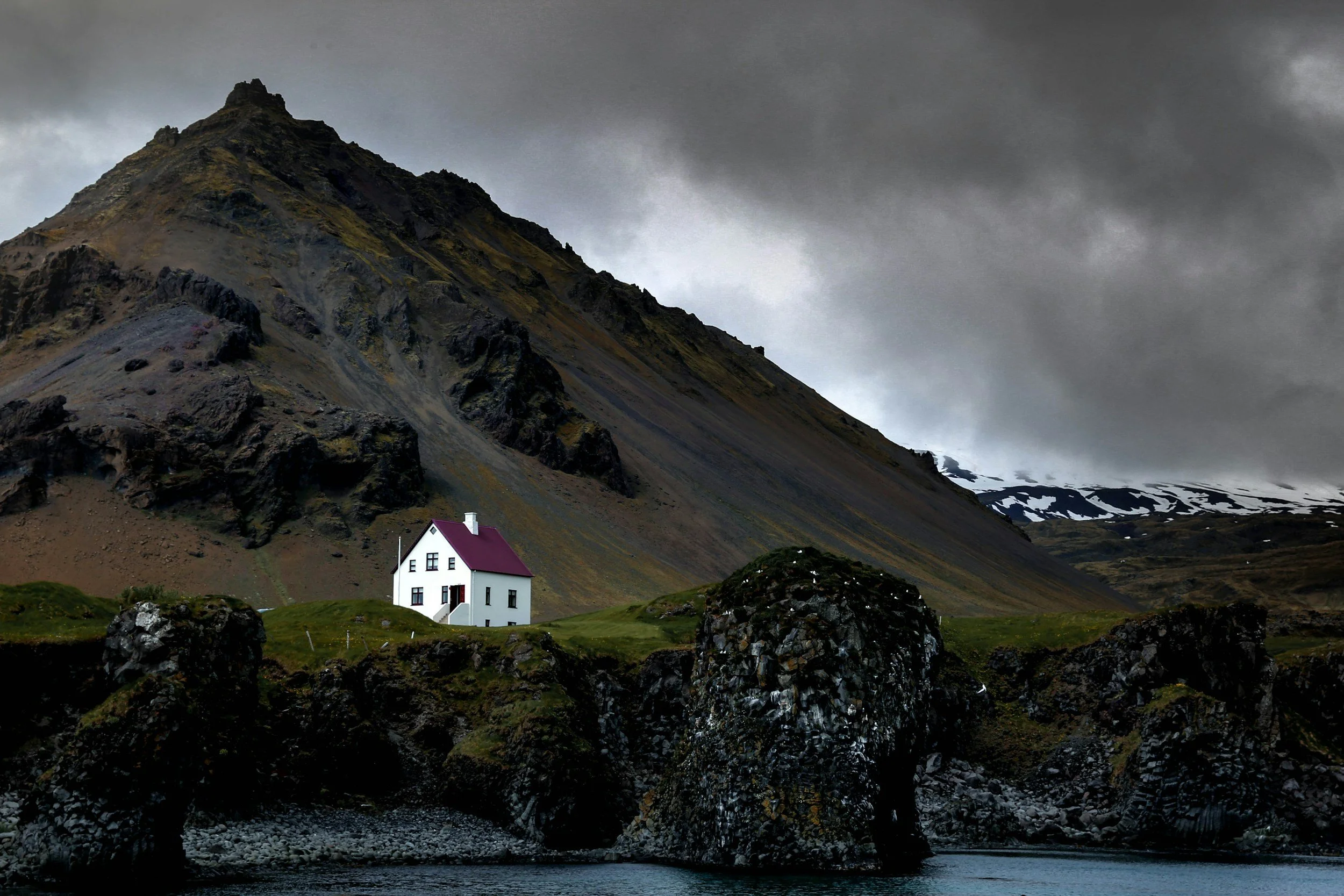
We pulled out of town quickly, driving silently for more than an hour through a landscape of green plains and wild cliffs before reaching the little house on a cove.
SAM: whistling in awe, “Wow, Bob, you seem to have the right connections!”
BOB: tossing off casually, “Oh, you know, my ex.”
SAM: giggling mockingly, “You mean… one of your many exes!”
I was listening – two birds already chirping up on the same branch! Was I surprised?
The house was big enough for all of us — four bedrooms upstairs. A large living room downstairs would be our workspace for the next three days. While Sam, Alice, and I settled in upstairs, Bob unpacked his Mac, beamer, and cables. He moved quickly around the room, bumping into furniture, and with many sighs and grunts, began the big plugging and unplugging — Bob!
THE FIRST EVENING

After dinner, we gathered in the living room. Outside, the air had cooled by nightfall. I built a fire, Alice made ginger tea, and Sam brought thick blankets. We gathered around the fire, ready for Bob's presentation on energy states.
Bob time! The Mac, beamer, and cables were connected. Ready to go!
BOB: Hello everyone. Tonight, I would like to introduce you to the concept of energy, specifically the three states of energy. In this presentation, I will go from physics to biology to psychology. So buckle up!
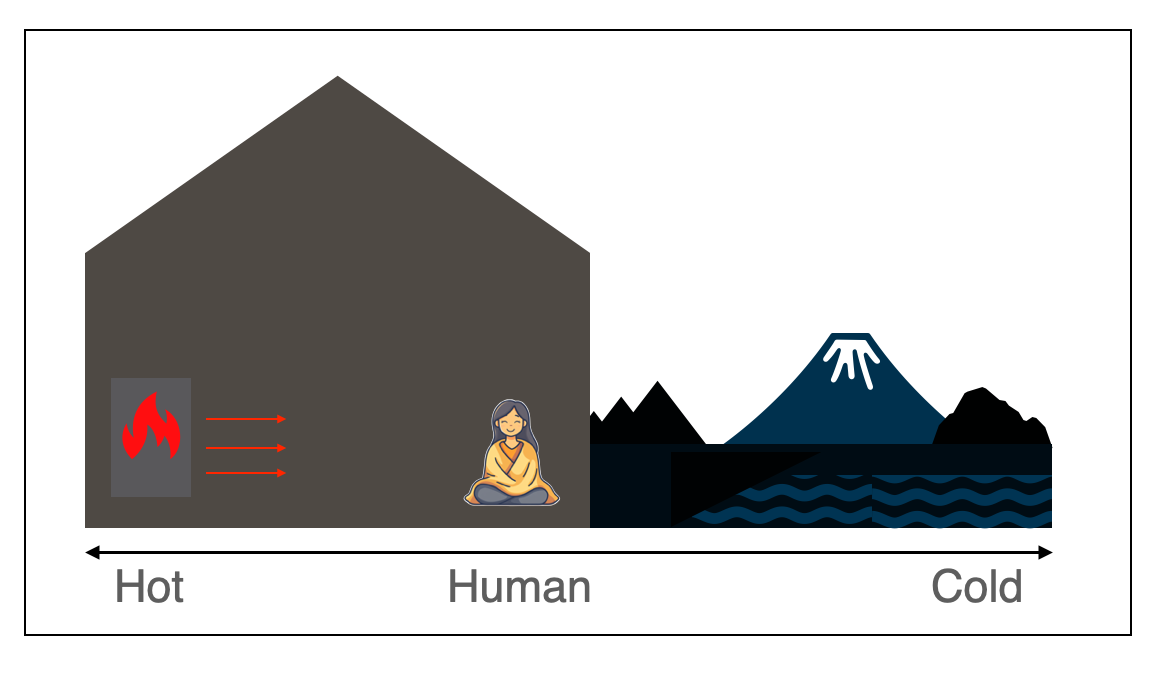
We are here in what we call a living room — a place of life. On one side is the heat–the fire in the stove– and on the other is the cold ocean. Hot-cold: a temperature gradient. We are in the middle, keeping our bodies temperate, protected by thick wool blankets. Let me turn this into a metaphor!

A UNIVERSAL METAPHOR
BOB: Imagine this fire as the Big Bang and the cold bay outside as the infinitely expanding universe. But as this explosion of energy cools down, matter forms into stars — the sun, for example.
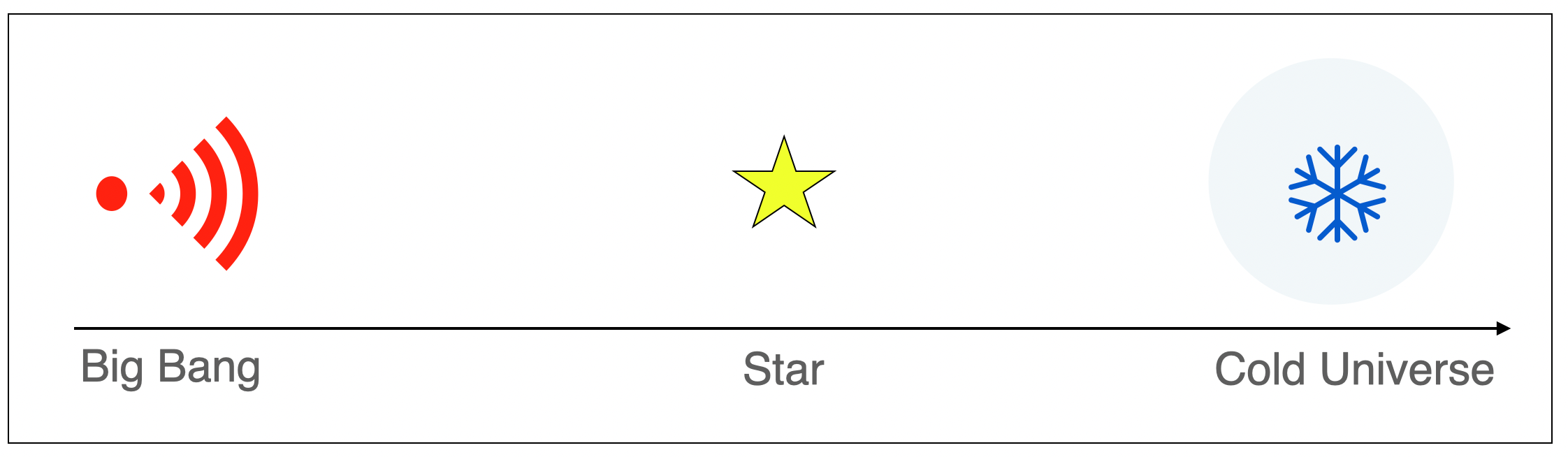
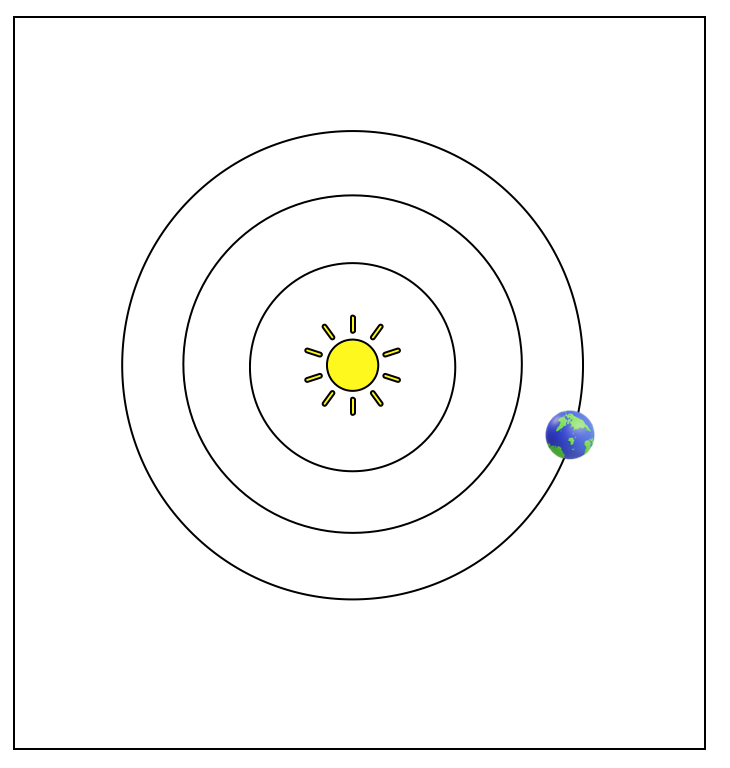
An exceptional planet: 4.5 billion years ago, the solar system appears. One of the planets in this system is the Earth. Now we have a new gradient - from the sun to the universe, with the Earth in the middle.
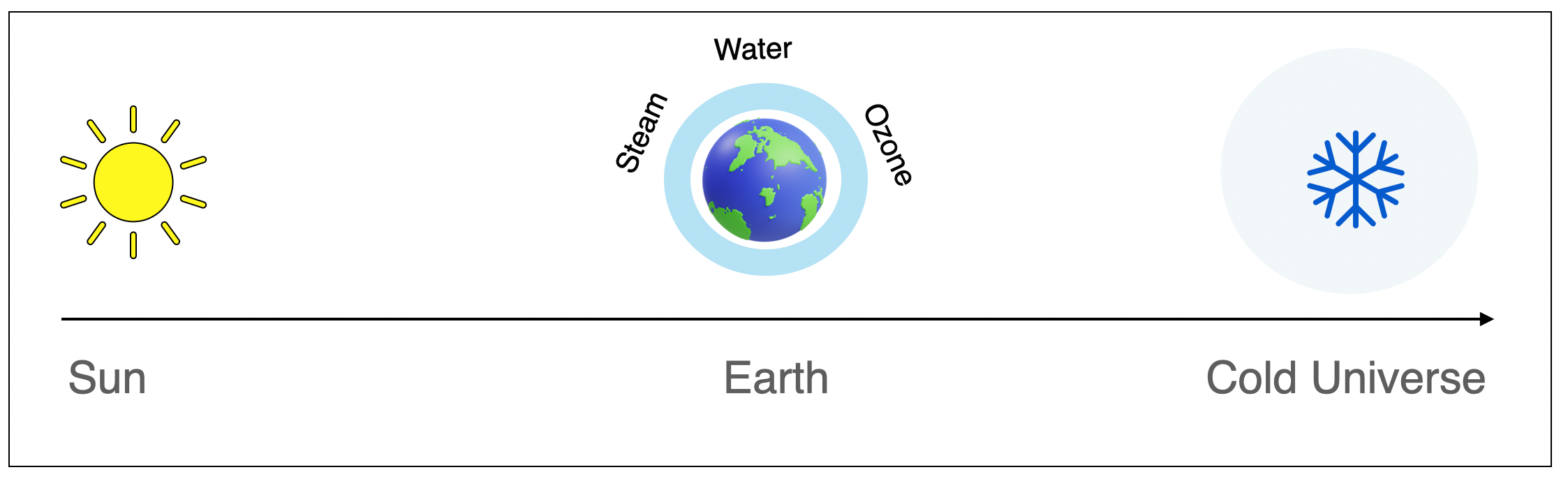
First covered by steam and water, later by an ozone layer, the Earth benefits from an inexhaustible source of energy — without being burned or frozen. Deep in the oceans or in the cracks of the rocks, life can begin.
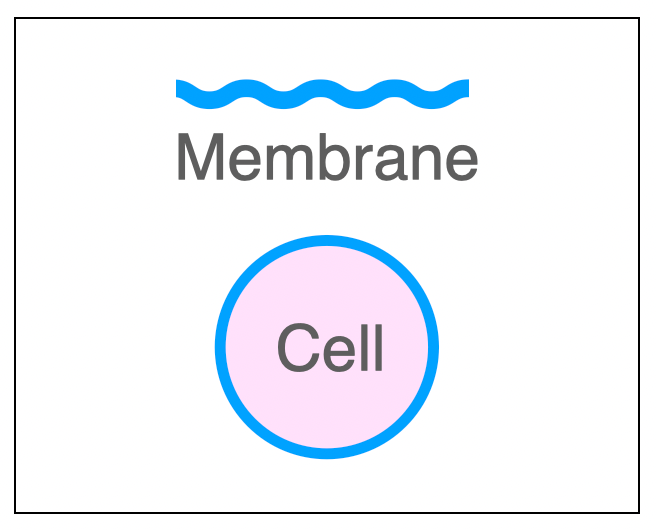
Molecules assemble into membranes that form the walls of the first cells-there is now an inside and an outside.
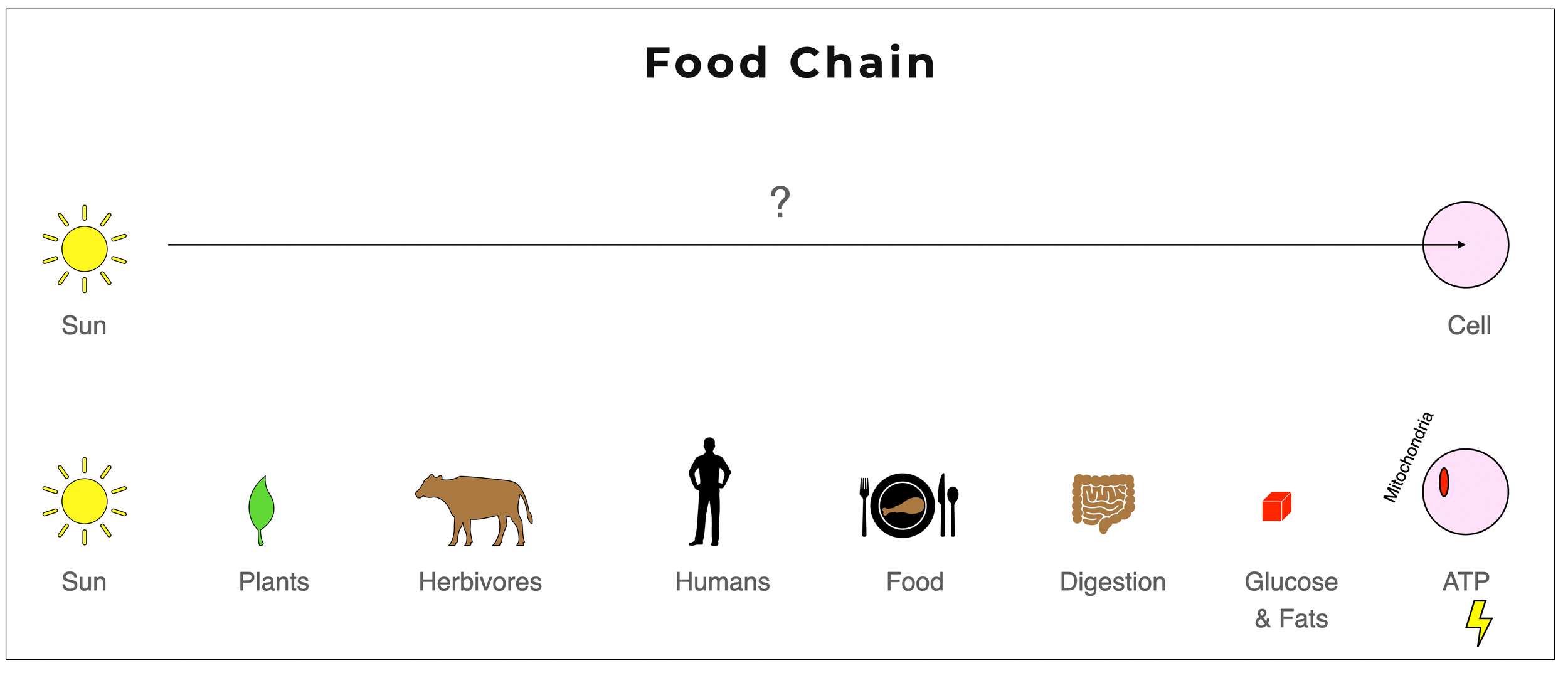
BOB: But how does the sun's energy transform and transport to the inside of every cell? The answer is the food chain. Animals are either carnivores or herbivores. If they are carnivores, they depend on the flesh of other animals to survive and are forced to hunt — and their prey to escape. Instead of passively filtering water, as the first animals did, these hunting games have dominated evolution — since 600 mya, each species has sought more speed and strength.
Humans have significantly altered the food chain through their hunting, farming, and breeding engineering. This has given us access to large quantities of food, sometimes in excess. In addition, our ability to modify food through cooking and fermentation has made it easier to digest, resulting in a significant energy gain. Our guts break down nutrients into molecules (e.g., carbohydrates and fats) that are converted directly into energy (ATP) in the mitochondria. The sun's energy has reached the core of the cell.
BOB: About 550 million years ago, hunting arose, sparking an evolutionary "arms race" between predators and prey. It was all about speed and power, with structures like scissor-like cutting appendages and armored body plates. Not long after jawless vertebrates appeared 500 million years ago, evolution branched into three main paths that would produce hagfish and lampreys, cartilaginous fishes (such as sharks), and bony fishes 200 million years later. These groups don't belong to the same lineage and evolved separately, but they faced the same challenge: creating a robust, energetic response for attack or escape, and ending it quickly to conserve energy. All three lineages used adrenergic systems for rapid activation, but bony fish seemed best at evolving a cardiac parasympathetic "braking" system, which is essential for reducing energy costs. Establishing a hierarchy, as the Polyvagal Theory suggests, seems tricky, however, because determining whether the sympathetic or parasympathetic systems appeared first is like asking which came first in early cars: the "accelerator" or the "brake. They probably evolved in parallel to balance the demands of survival and energy conservation.
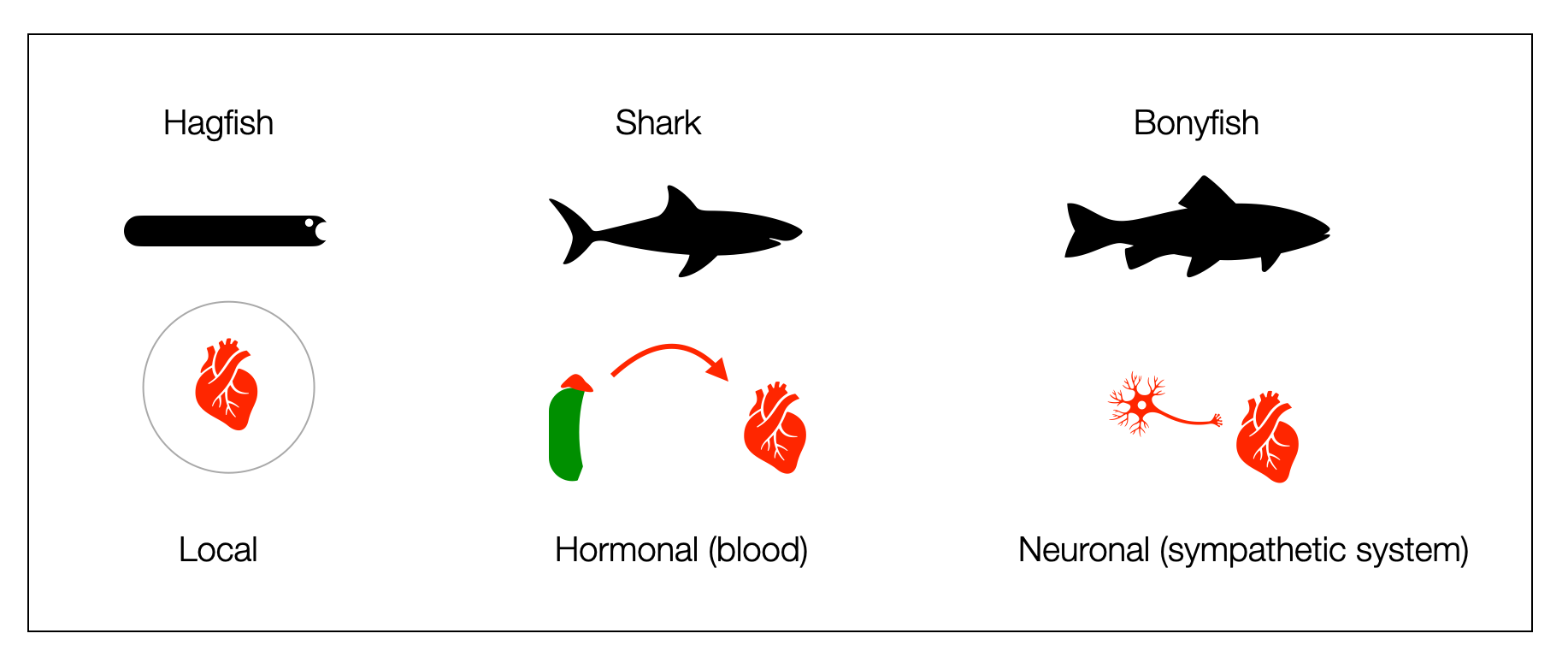
Three sorts of adrenaline distribution: local, hormonal, and neuronal.
As I mentioned earlier, speed and strength soon became essential for survival, with hormones such as adrenaline (epinephrine) and noradrenaline (norepinephrine) fueling bursts of action. Equally important, however, was the need to end this energy expenditure quickly- a role fulfilled by acetylcholine. (parasympathetic receptors). For any hunter, Rule #1 is that the energy expended in the chase must never exceed the energy gained from the catch. Predators cannot afford to chase endlessly, and herbivores must gain more calories from plants than they expend in grazing and digesting them. This creates a self-perpetuating cycle: the calories used to hunt must be replenished by the energy from the prey, which supports the hunter's future pursuits.
In early human evolution, our ancestors adapted to run long distances efficiently by balancing the sympathetic and parasympathetic systems along with the somatomotor (movement) system. Better coordination of breathing and circulation through variability (HRV) also likely supported energy conservation during prolonged activity.
Digestion begins with the first bite and is controlled by the dorsal vagal complex (DVMN, NTS, and AP). This system regulates the conversion of food into essential molecules such as glucose and fatty acids, which fuel the mitochondrial machinery to produce ATP, the cell's primary energy currency. ATP powers countless cellular processes like synthesis and cleavage of molecules.
The Polyvagal Theory's portrayal of the “dorsal” as a shutdown mechanism is misleading. Every time we eat, the dorsal vagal complex actively regulates visceral functions-such as the intestines, pancreas, and liver-critical for appetite regulation and weight balance. Nor is the "dorsal" associated with tonic immobility.
After all, even during sleep, we go through sympathetic and parasympathetic phases.
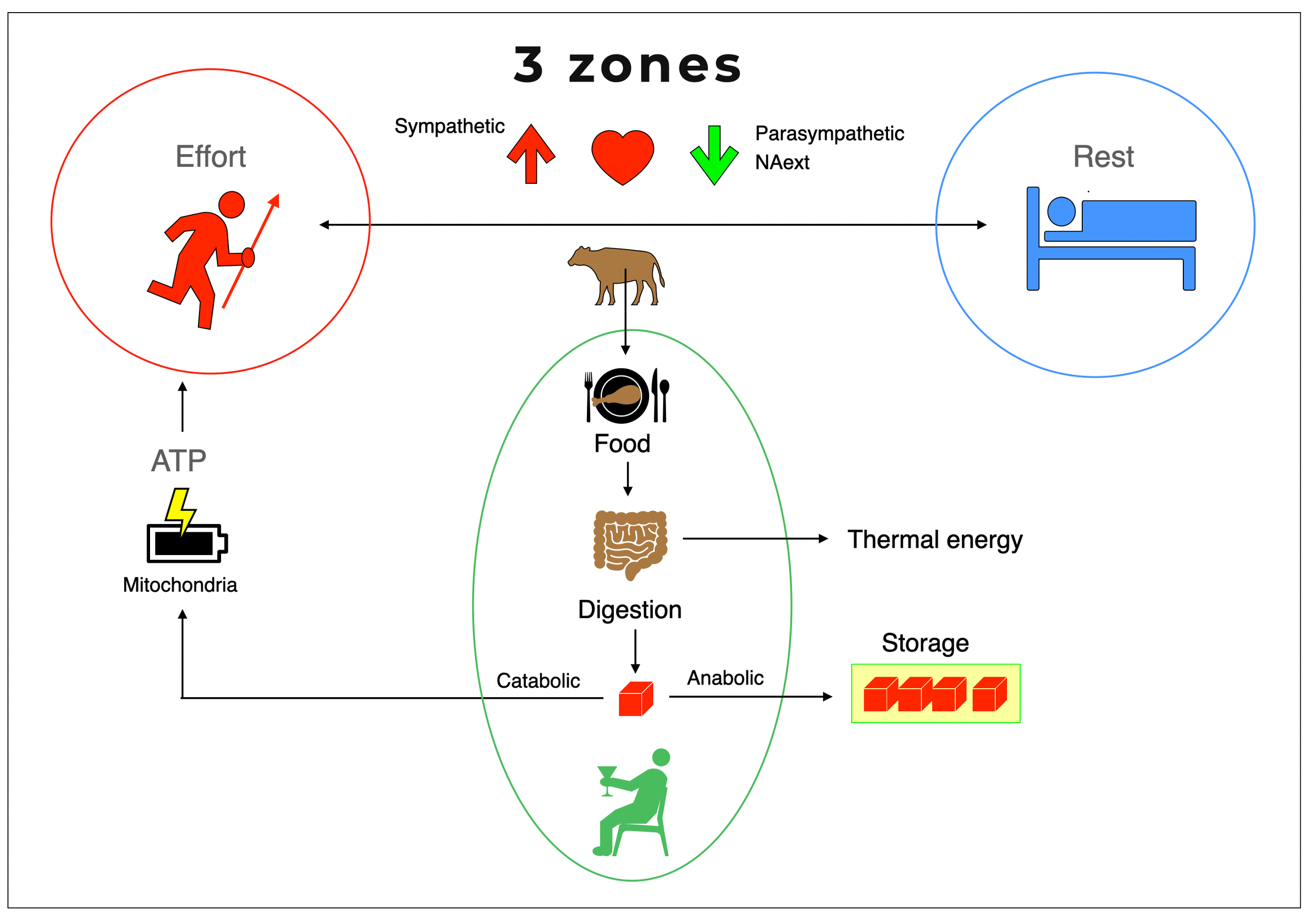
Enzymes
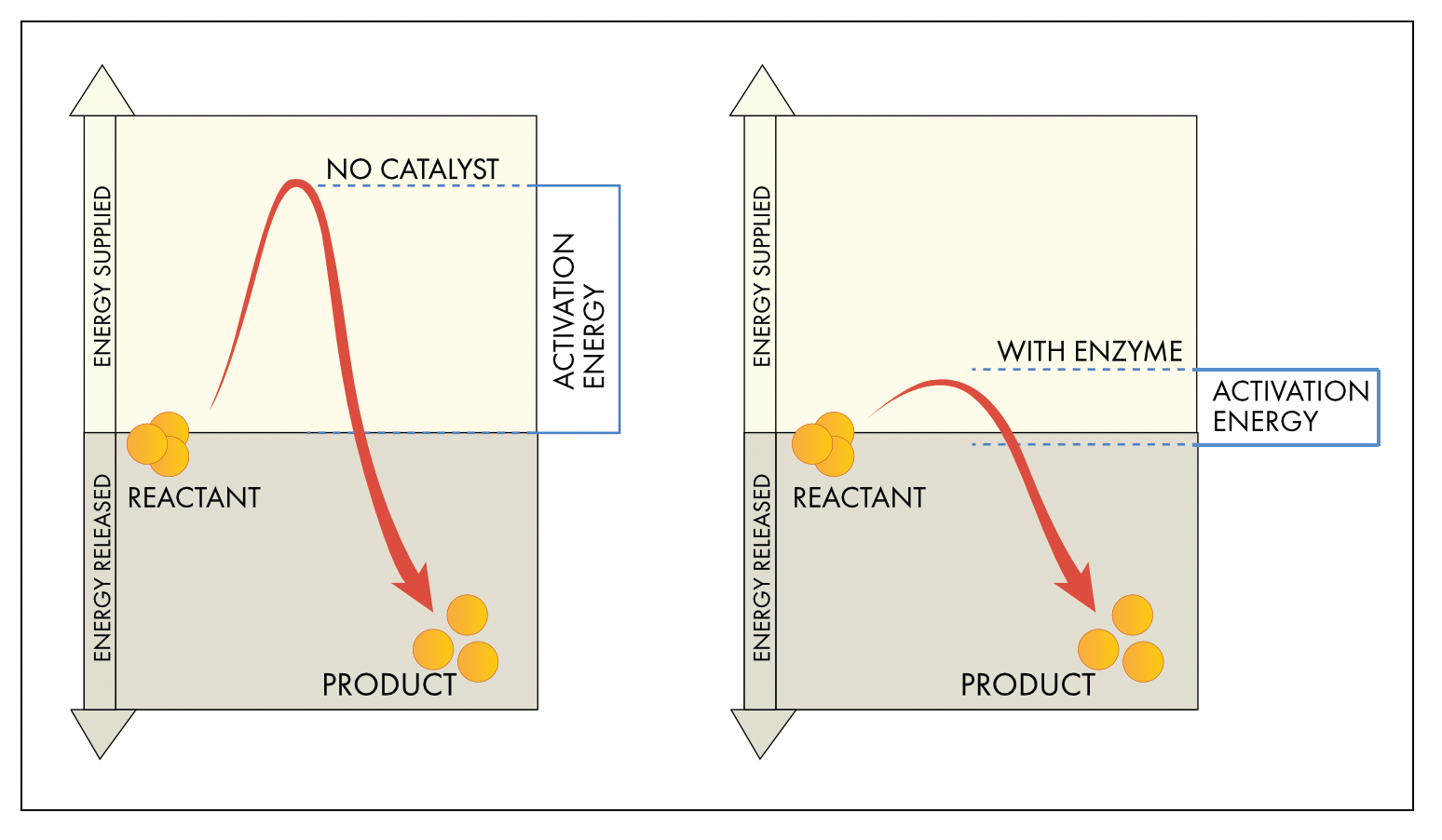
BOB: Animals have many ways to save energy: passively filtering water, sitting and praying, moving slowly (sloth), or not moving at all (e.g., biological hibernation). But there is another way. While the non-living world requires enormous heat to transform matter, living organisms accomplish transformations at moderate temperatures-thanks to enzymes. Enzymes do what fire (cooking food or boiling laundry) does, but at a moderate temperature. So you can make instant soup or wash your clothes without burning your hands. Washing powders containing enzymes can break down fats and proteins and wash away stains, even in cold water.
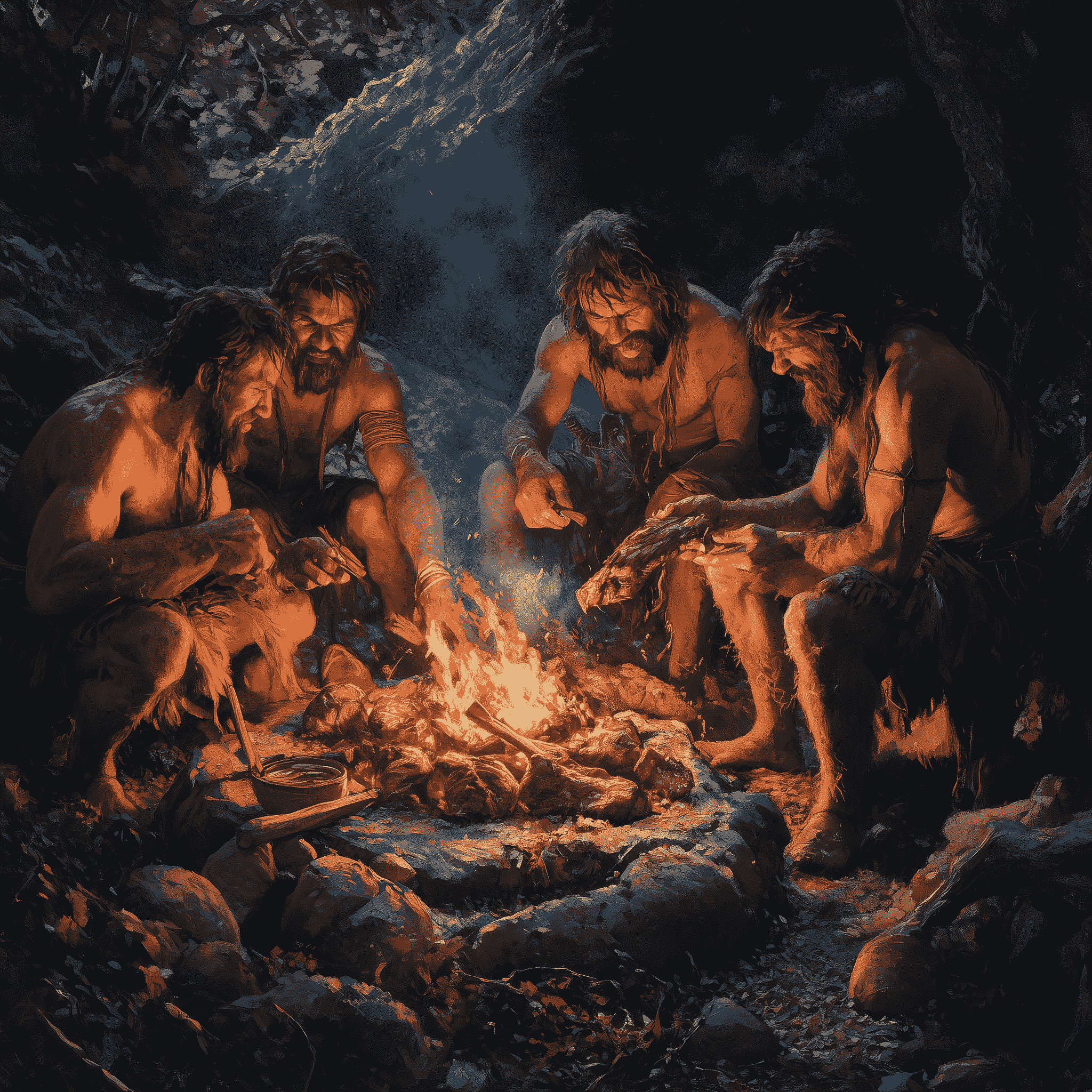
The discovery of fire was a huge advance for early hominins, around 1.5 to 2 mya. However, several new technologies brought enzymes into play, providing a much better energetic ROI (return on investment).
Enzymes are as old as life itself. According to the RNA world theory, for the first 500 million years (before DNA appeared), RNA was both genetic material and enzymes. Later, some proteins took over the enzymatic function.

Washing with a modern detergent allows for much deeper cleaning without adding heat.
BOB: Enzymes are not only a significant energy-saving tool, but they also respect the environment. That means less burning — or, psychologically speaking, less violence. Think of enzymes as a metaphor, Ben! Don't therapists and coaches always use techniques to smooth conflicts and calm the heat?
BEN: Oh! Am I an enzyme now? (He laughs) Not bad!
BOB: I'll let you think about it ... For now, I insist on this zone between hot and cold. It’s a universal principle.
SAM: For me, ... it's like a hamburger — an energetic burger with the enzymes in the middle.
BOB: Yes, we live in the middle layer of a colossal energy hamburger! A cosmic hamburger.
ALICE: Weird, but I like it!
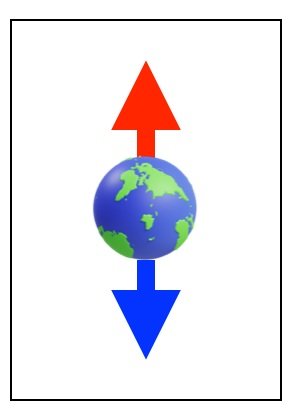
The Earth, between hot and cold
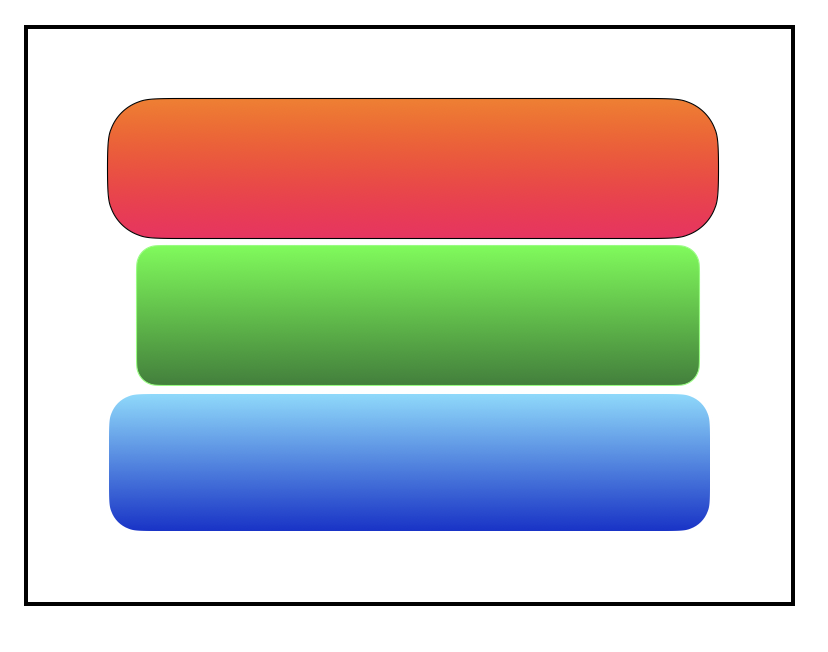
The Energetic Hamburger
(added later)
BEN: The hamburger–can you elaborate on the middle layer, Bob?
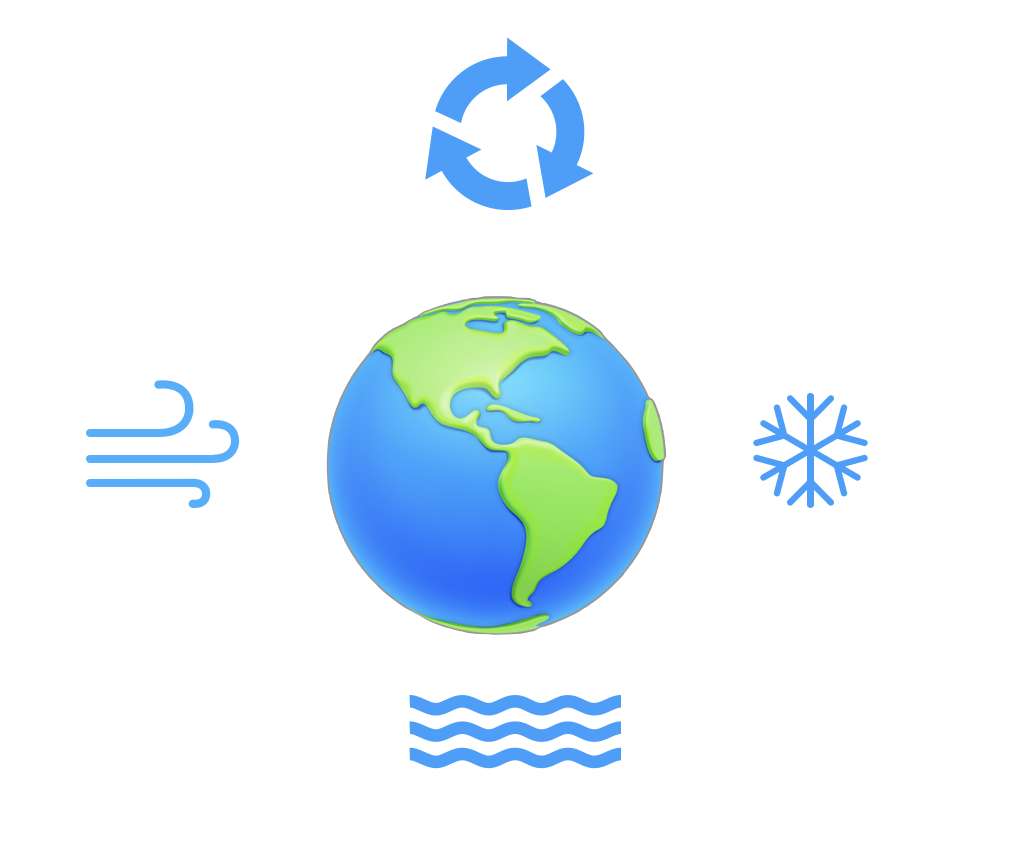
BOB: Without ozone, climate self-regulation, the Gulf Stream, the Amazon forests, and enzymes, planet Earth would be a burning place. Similarly, without our body's self-regulating systems, such as perspiration, proper hydration, internal heat production, blood circulation, and, of course, enzymes, it would be impossible to maintain balance. The remarkable fact that the earth and our bodies can defy universal laws and maintain a stable internal temperature is a testament to the power of self-regulation — homeostasis — with enzymes playing a crucial role in this balance. But, the autonomic nervous system is also vital.
BEN: The ventral vagal?
BOB: Not quite– all three parts–ventral, dorsal, and sympathetic– are participating!
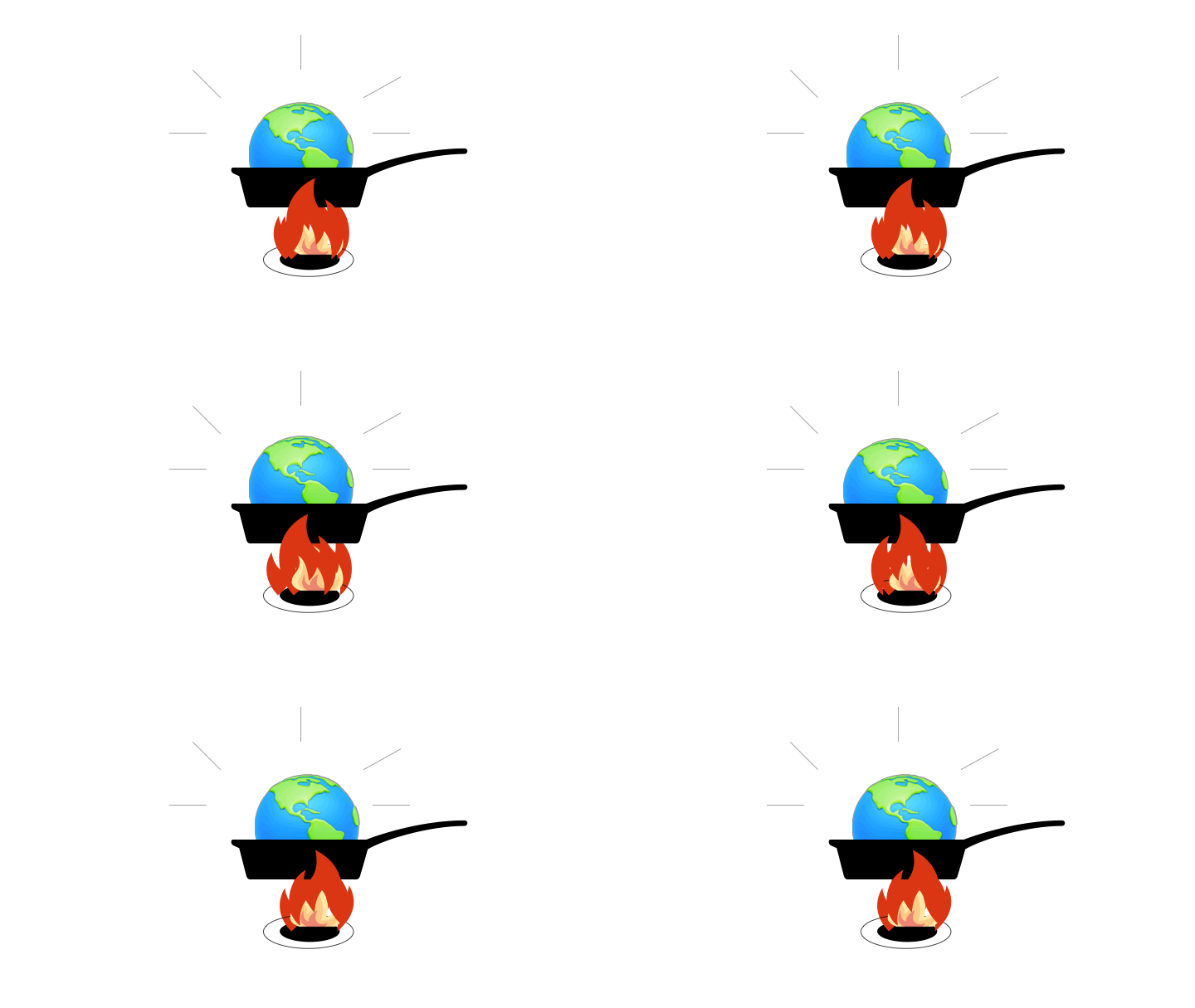
vs.
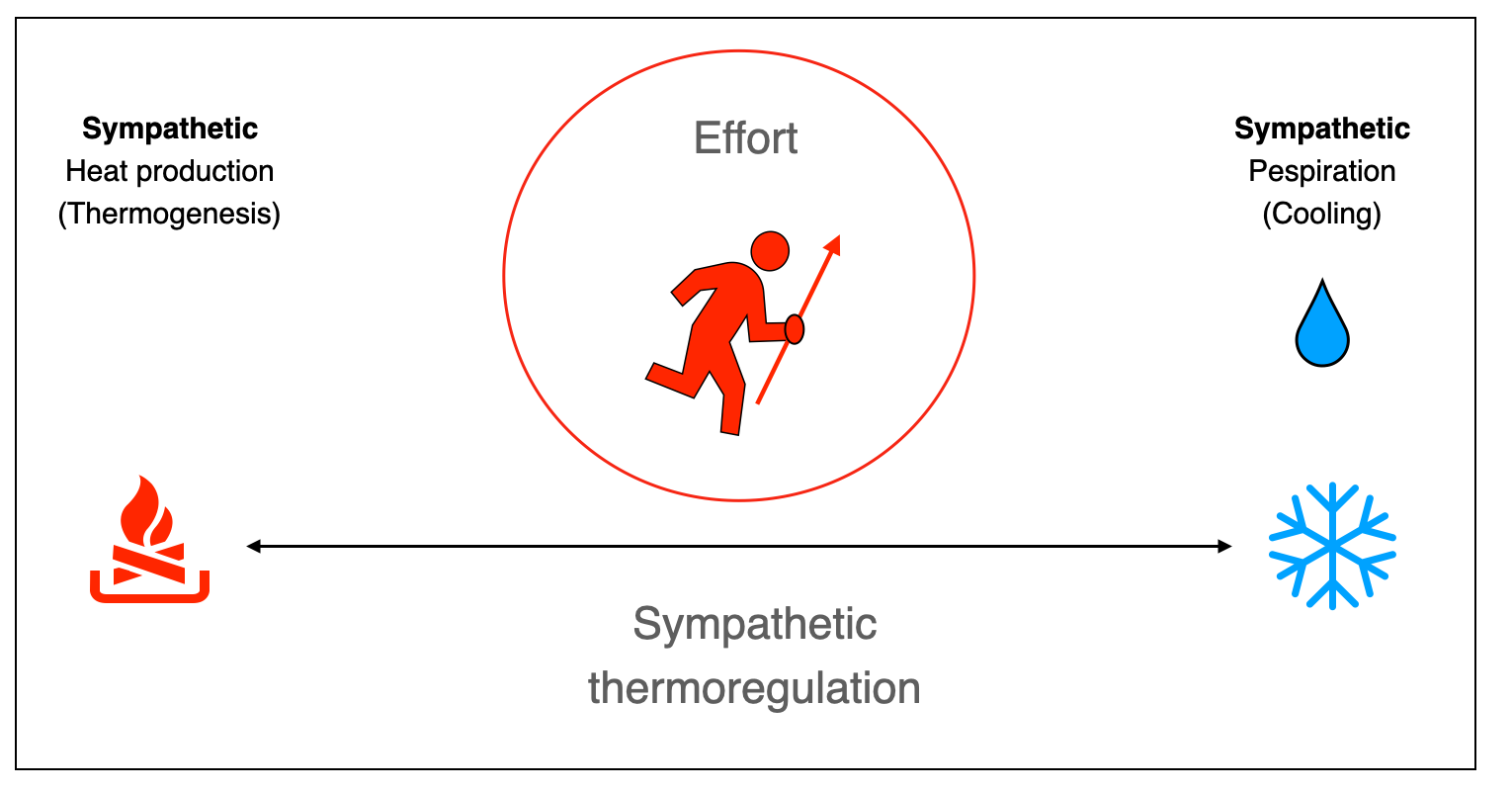
BOB: You see, the sympathetic nervous system is not just the troublemaker. It plays a crucial role in the thermal regulation of our body, either through thermogenesis or perspiration.
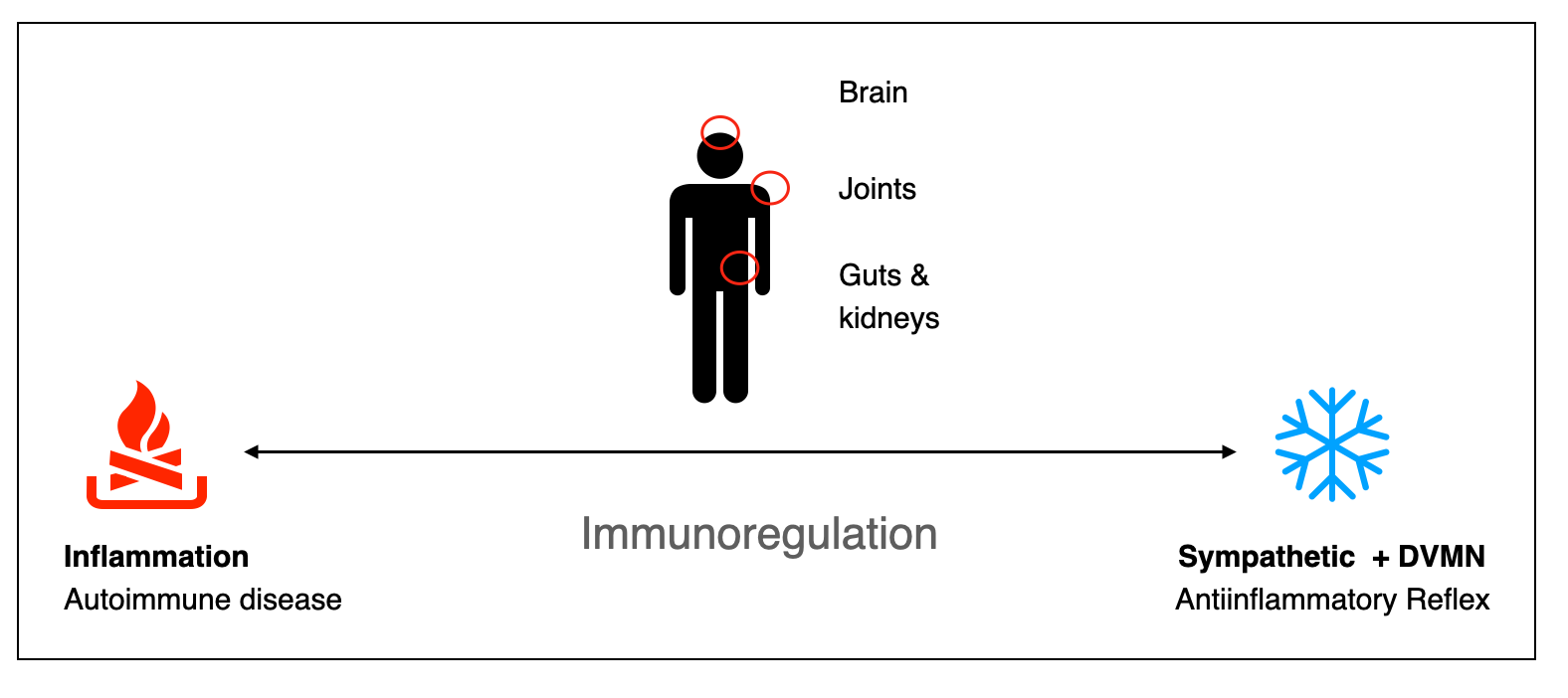
BOB: The sympathetic and dorsal parasympathetic (DVMN) systems are also responsible for the “anti-inflammatory reflex,” which is crucial to tame the immune system and fight autoimmune diseases. Cold baths can help down-regulate rheumatic inflammation.
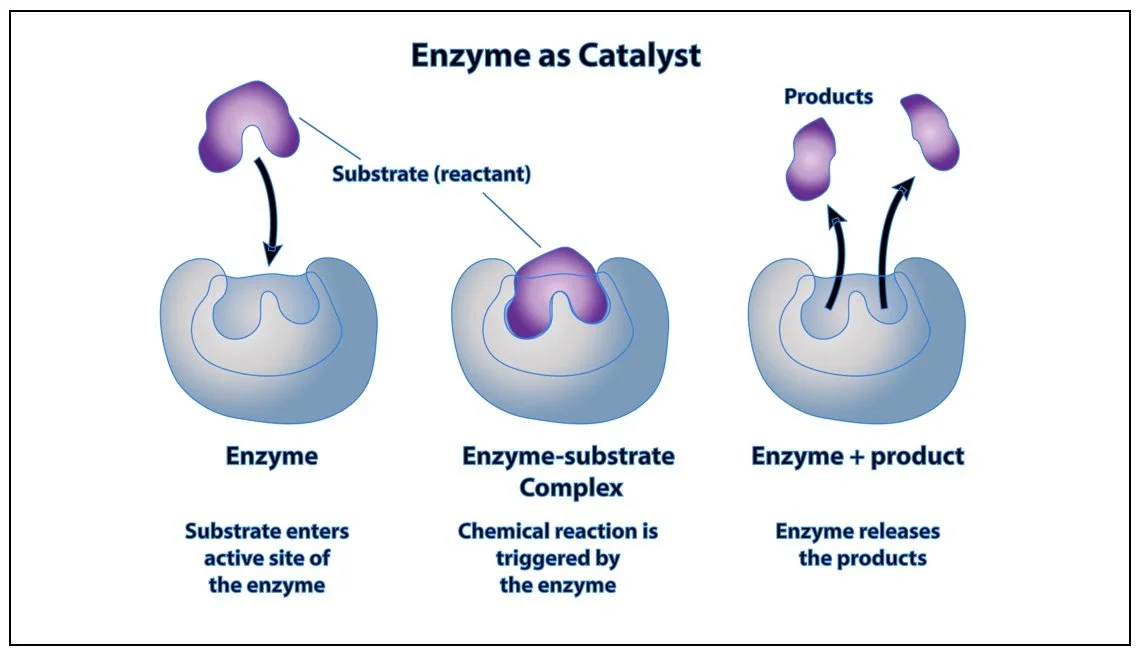
BOB: Here, we see enzymes, which are microscopic biological workshops where reactions such as splitting, synthesizing, adding, or removing a molecule happen.
BEN: I now see how enzymes are the perfect metaphor for a therapist or consultant: separation, reunion, optimization. I love the nonviolent approach of enzymes. I must say … I begin to love them.
BOB: And here, you can see how water electrolysis produces hydrogen, which releases energy–but first, a significant amount of energy is required to start the reaction. It is like paying $100 to get $200 from an ATM. With enzymes, the cost is hugely reduced.
BOB: Isn't psychotherapy about transforming with minimal energetic cost?
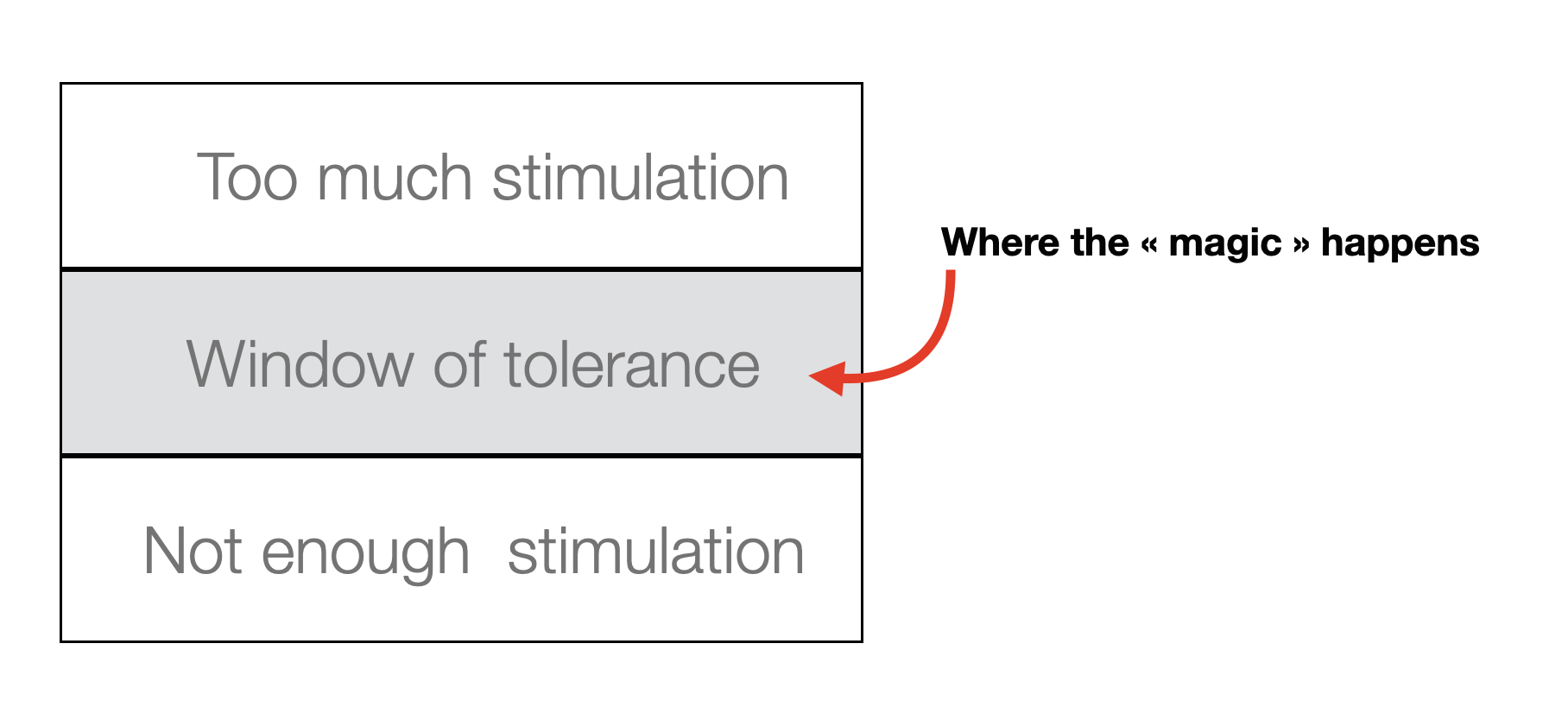
BEN: Exactly. Back in the 1970s, therapies like primal scream and bioenergetics focused on releasing energy, inspired by Wilhelm Reich's ideas. Today, though, therapists use brief, energy-efficient techniques–like EMDR, visualization, NLP, or Energy Psychology. We've learned to stimulate change without going to extremes—no explosions. We call this “staying in the window of tolerance.” Let me show you a sketch!
BOB: (studies the sketch quietly) Yeah, I get it! This really makes sense. (continues) You know, there seems to be a similar “window of tolerance” in climate, too. Economy and civilization tend to flourish where temperatures are optimal. Check out this graph: it shows the average temperatures of ten major world cities. Apart from Dubai, which relies heavily on oil resources, all these cities have an average temperature around 20°C (or 60°F): New York, London, Tokyo, Paris, Shanghai, Hong Kong, Singapore, Sidney, Los Angeles, and Dubai.
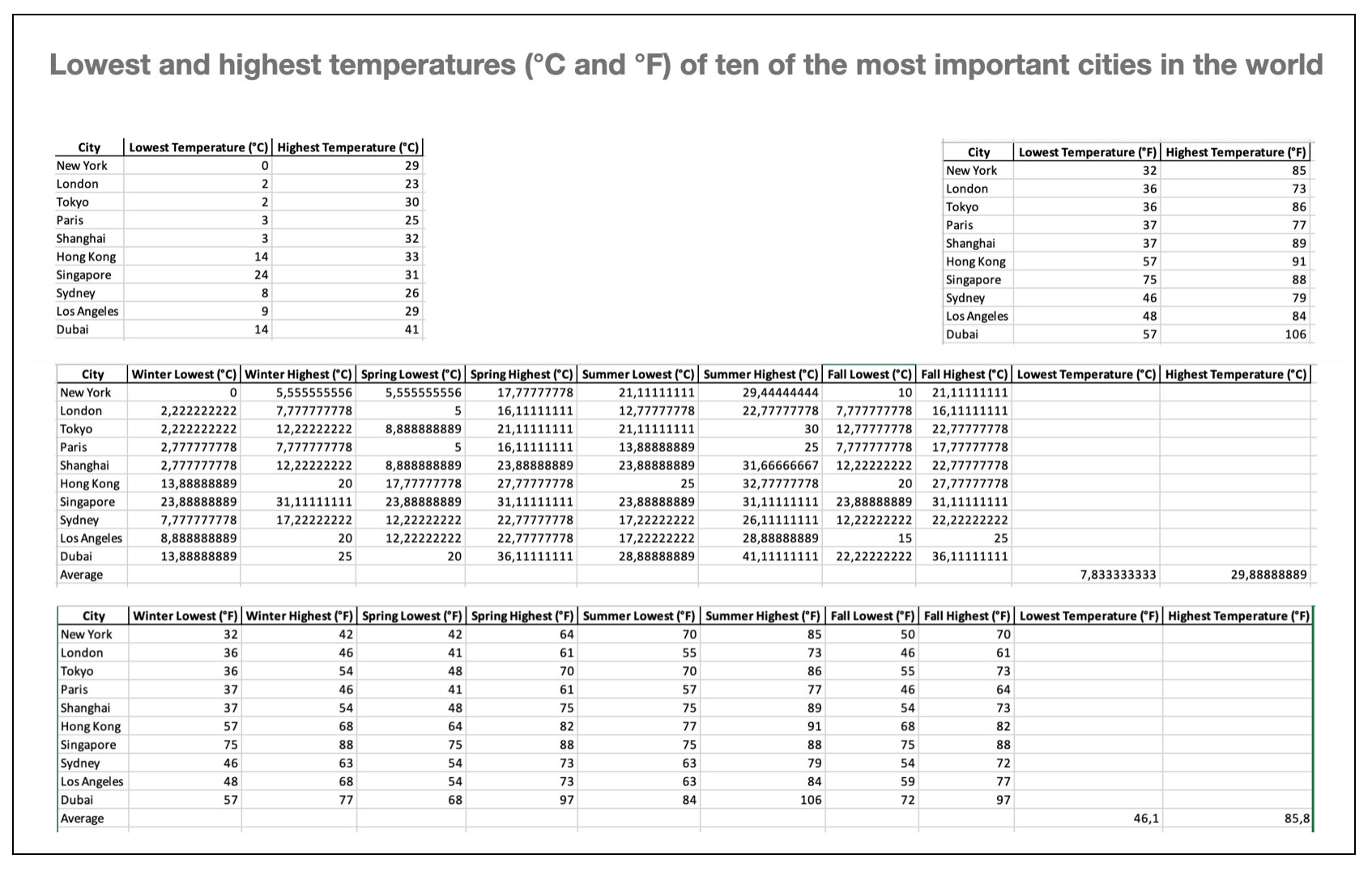
BOB: Even our computers need a stable temperature. My Mac overheats if I work outside in full sun during summer! And it’s the same with us—most animals need an internal temperature around 30 °C (80 °F). They either bask in the sun or generate their own heat like birds and mammals.
But here’s the issue: since the start of the Anthropocene Epoch after WWII, we’ve disrupted Earth’s natural balance. It’s not energy production itself that’s the problem; it’s our drive to conserve human effort by relying on mechanical energy—cars, elevators, and robots. Humanity has survived extreme droughts and ice ages, yet now we’re more dependent on heating and cooling machines, losing our natural ability to thermoregulate.
Take a look at my final slide! It illustrates three energy domains. At the top, there’s a high-energy domain—characterized by high temperatures, intense effort, activated quantum states, or high speeds. At the bottom is a low-energy domain, symbolizing slowing down, winter, even complete rest. In between, there’s an intermediate “meso-energetic” field—a balanced space of moderate energy, exchange, and feedback. This middle ground is where so much happens!

ALICE: Ooh, Bob, your graphic needs some colors!
BOB: I know–like a flock of crows in winter! Ha-ha! That is why we’ll have you tomorrow, Alice!
Day Two
SAM
The Monogamy Switch
I didn't sleep much. Meeting Bob in the middle of the night certainly didn't help. I started the day with my usual 5-mile run and a long cold shower to shake off the blanket of fatigue. As agreed, we met around 10 am for a late breakfast. Each of us had spent the first few hours with his own rituals. Ben had trouble reconciling his jet lag with his daily meditation. Alice wasn't early either — she had spent half the night poring over scientific articles, trying to fall asleep. Bob? — After a quick check of his email in the shower, he had meticulously tested all the appliances in the house, with a particular focus on the expensive Italian coffee maker La Spaziale.
BEN: Good morning! Did everyone sleep well? Sam, Alice, Bob?
ALICE: It was a pleasant night, perhaps... phylogenetically regressive?
BEN: Half awake. Phylogenetically what?
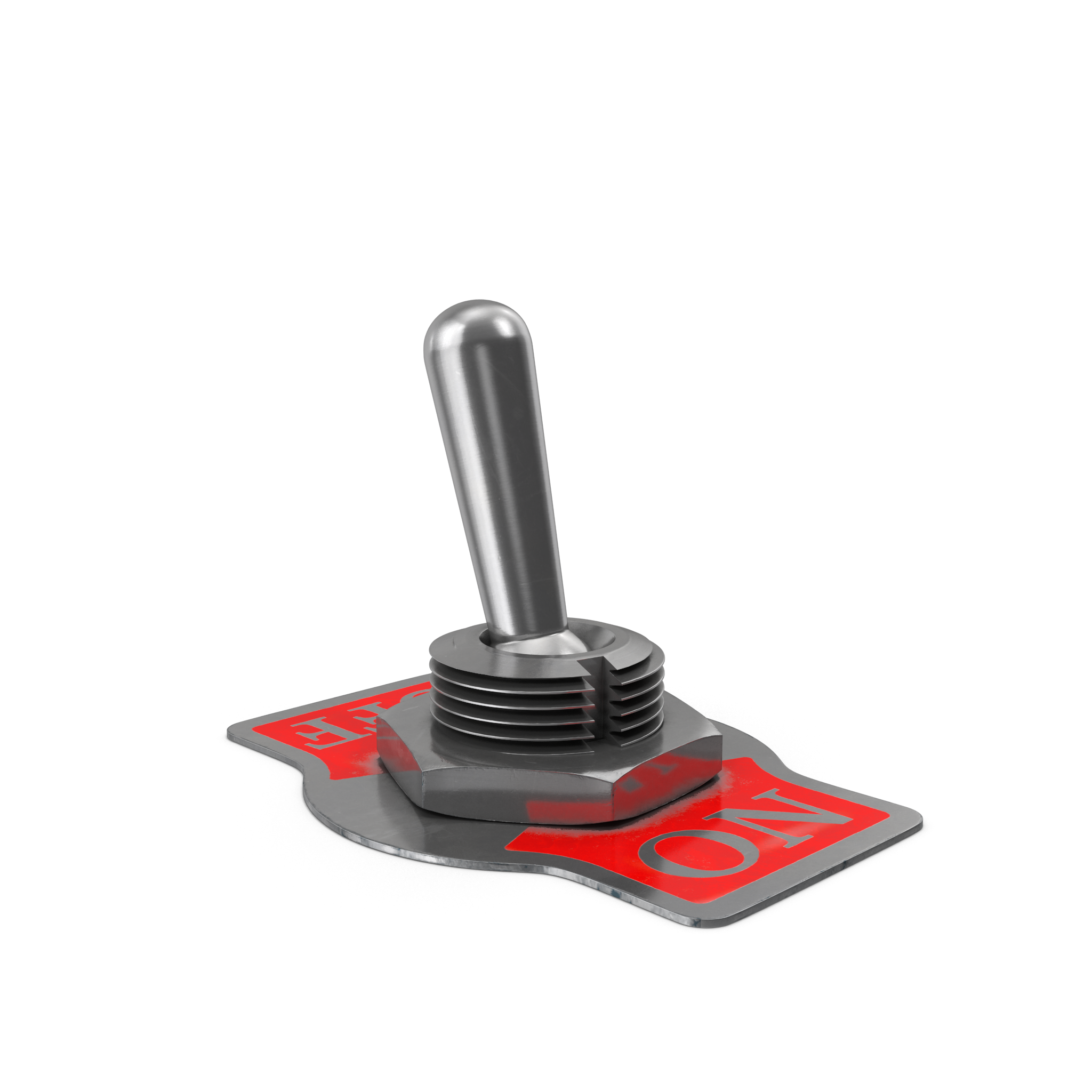
ALICE: Looks like someone forgot to flip the monogamy switch.
BEN: Surprised. English, please, Alice!
ALICE: Nou, ... seks in huis?
The two old friends seemed to have a secret Dutch language.
ALICE: (She had a mischievous smile on her face). According to Porges, when mobilization strategies engage the sympathetic nervous system in promiscuous physical activities, ... let's see (she grabbed the blue book on Polyvagal Theory) and started flipping through the pages) ... Porges, 2014, page 183, ... especially page 184, yes ...
I felt my face flush.
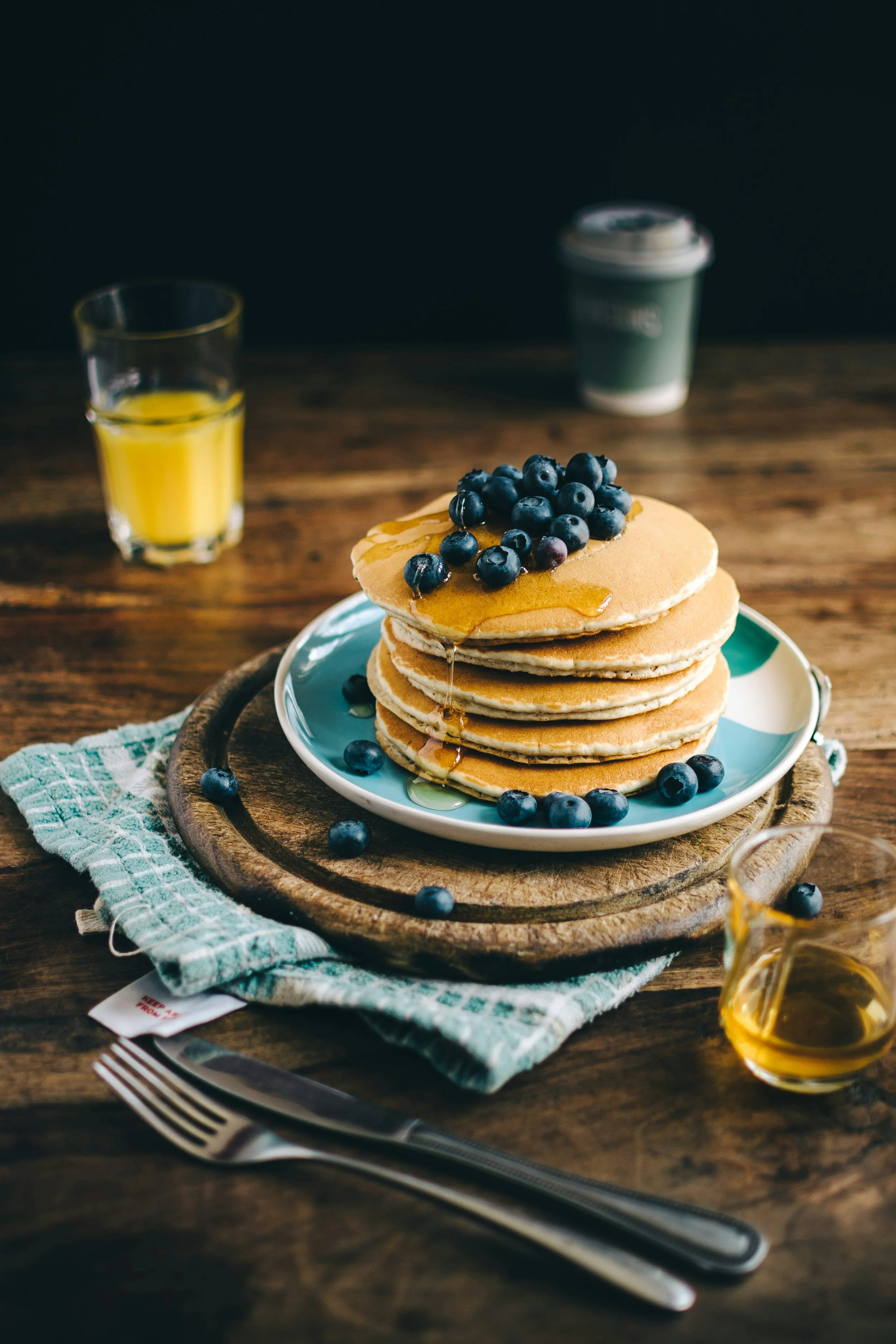
BEN: We know from page 184, Alice. How is your pancake? Before noticing that Alice's plate was still empty.
Bob jumped in.
BOB: Okay, guys. Sam and I, we, uh, ... we just wanted to check this monogamy switch, you know — just curious. Porges is right. Mobilization, I mean a lot of mobilization, doesn't flip the monogamy switch. Do you have to? As a man, I can tell, ... when you get wild, ...
BEN: Embarrassed. We get it, Bob, ... We are all adults, here, …
BOB: ... and crazy about a woman, you stop thinking, “Is this my wife or my mistress? How many kids are we going to have?” you know, all that s**t you know. You go, and that is passion and love. What the PVT didn't see, well, don't forget, this was written 30 years ago; modern women are even crazier than men. Forget immobilization during sex, forget safety-they want fun and sweat. Sure, they hate abusive ...
SAM: ... macho, selfish, perverted and stupid men in bed. Thanks, Bob! This Porges page 184 pastoral pep talk about sex is absolutely b*?+! My monogamy switch is here, on my forehead.
I knocked on my front head.
SAM: I know my body. I decide if, how much, and for how long I want to commit. And I wish more monogamous women would flip the switch back more often — be wild and creative in their sex lives.
BEN: A little confused. Well, ... it seems we need an update to page 184 ... Who wants pancakes?
At first, I was angry that Alice had betrayed me to Ben, our rabbi, but on the other hand, it was done — no secret. Besides, neither Ben nor Alice seemed to mind very much.

ALICE
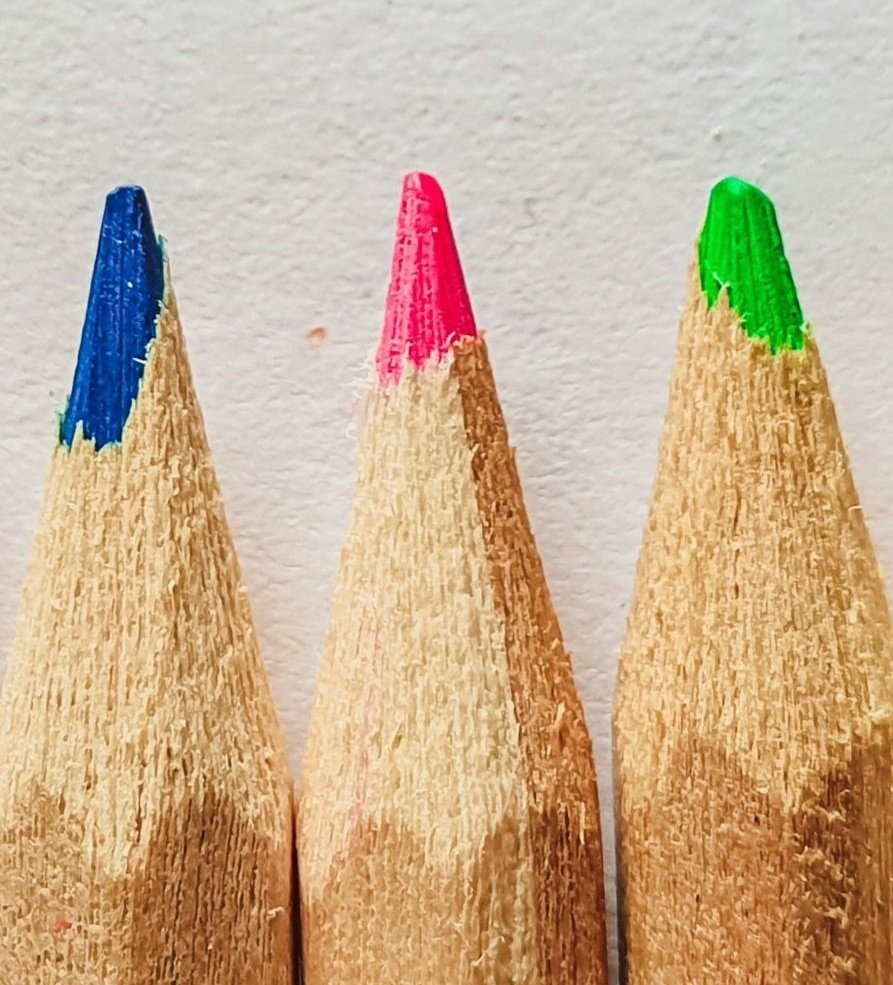
After breakfast, we met in the study room. I gave everyone three colored pencils — blue, red, and green — and lots of white paper.
ALICE: Each of you takes three crayons-red, green, and blue-and enough paper. We will play around with the concept of color states–you know, like Picasso had his blue or pink period. Matisse also had his fauvist wild period. Da Vinci wrapped the Mona Lisa in a mysterious, smoky, hazy, blue atmosphere...
SAM: She cut through. Sfumato, okay. Keep going, Alice! Action!
ALICE: Yeah, right. We will have three periods of twenty minutes each to experience a different context, what Bob calls an energy state. To help you, I will play some music, read texts and poems, or even use some props. We will first have the RED, then the BLUE, and finally the GREEN. Please go with the flow and draw any idea or impression that comes to mind. Are you ready? Let's start with the RED!
For the first twenty minutes — the RED part — I will read quotes and poems about struggle, fear, love, and passion. All ChatGPT — I don't have a clue about such feelings. ChatGPT also gave me a list of music, starting with Ravel's Bolero, some Charleston, Rock'n Roll and Heavy Metal. Enter Sandman was there too. The participants scribbled red figures and objects.
In the second part — the BLUE period — we heard nothing but the insistent sound of bells and humming Tibetan monks. I handed out ice cubes and cold towels.
In the last twenty minutes–the GREEN part–the participants received warm towels. I gently tapped their shoulders with a tiny bamboo stick and massaged their heads with a metallic Scalp Scrubber Brush. I also fed them Smarties and Swiss chocolate. The music was soft, casual, and sometimes even superficial — like lounge or airplane music — and annoying.
It was exciting to see how everyone handled the three different tasks. Bob and Sam had an easy start with Red. Bob got stuck on Blue, while Ben was productive there. Green was easy for Ben and Bob, but not for Sam. She rolled her eyes and searched for ideas until she started filling the page with lots of green words: dull, boring, hypocritical, shallow, cynical, distant, and more–just the breakthrough I was expecting. Green is two-sided!

After a short break, we sat together again. We shared our experiences and what it might mean for our project. Bob knew my system because I had had enough time to explain it to him on the flight.
BOB: This is pedagogical, this is heuristic! It is naive and intuitive, but when we take it to the next level, like physiology, it raises many new questions.
ALICE: Like what?
BOB: Well ... is digestion green or blue? Porges would say blue because digestion is typically a dorsal vagal thing. But we all feel that food is green: comforting, convivial, and ...
SAM: It challenges everything. I realize that red is much more than the sympathetic ... dopamine, cortisol, and glutamate — they are all red, activating, and exciting.
BEN: He hadn't spoken yet. This is groundbreaking because … he hesitated …. It decouples states from anatomical structures.
BOB: Excited. Yes! You can also disarticulate reactions. Disarticulate, do you understand? Take freezing. Outside, you have immobility: blue. Inside: tachycardia or bradycardia — red or blue. It depends. Hofer, 1970, right Alice?
ALICE: Exactly!
BEN: Lost in thought. That means that the ventral covers …
SAM: … more than one state.
BOB: Yes! The ventral is deeply involved in homeostatic, regulatory functions, and the diving reflex ... and maybe fainting …
ALICE: ... and the trigeminal reflex, which can be deadly.
BEN: That means that the ventral parasympathetic is “green” and “blue”!
ALICE: Yes, it seems that way, but colors are not scientific evidence!
BOB: Colors are heuristics, Alice! Like Archimedes' soap — soap is not proof, nor is Newton's apple, but they both pointed the way.
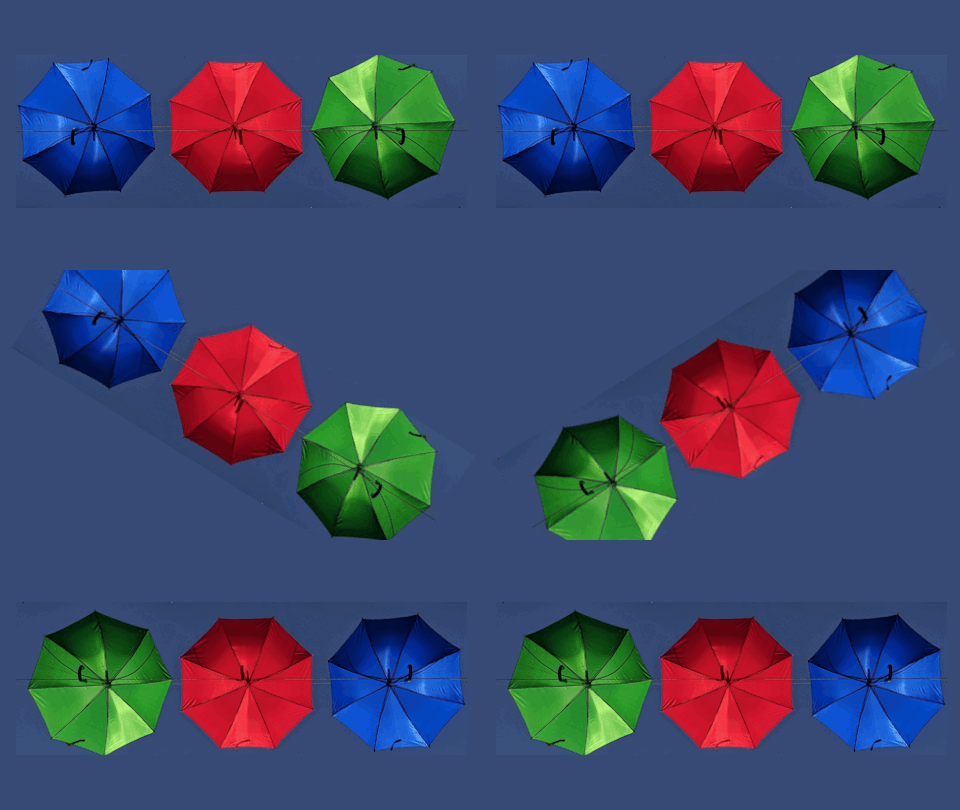
After another break, it was time for part II of my session. It was going to rock!
ALICE: OK, let's apply the color code to specific situations. Think of an athletic woman. She is a long-distance runner and goes to training twice a week. She arrives at the locker room, chats with two girls, flirts with the young man, puts on her clothes and gear, goes out on the track, runs for 20 minutes, pushes herself to the limit, and finally stops, exhausted. Now, she sits down quietly until she fully recovers, takes a shower, has a little chat, snacks, and drinks. And she goes home! What are the colors here?
SAM: Light green, red, blue, green...
ALICE: Perfect. Now go back to page 184 from this morning ... We are scientists, right? What is sex for a color?
BOB: I'll do it. Green, green, green, Sam starts to laugh. Red, oh, a little green, please, darling, red, red, ... blue. Did I forget something?
Alice and Sam silently shook their heads.
BEN: Well, if you allow me, Bob, you forgot something, which is typically masculine: the afterpart. This is when one part — usually the male — wants blue — no moving, no holding, no talking — because he sees making love as a performance, while the other part — typically the female — wants green — caressing, gentle talking, and smiling. She wants to connect.
SAM: Touché!
BEN: There is no right or wrong. In the best case, they both want the same thing: either intensity or soft connection. But sometimes you hear: “This woman ... she makes love like a man,” which is a bit strange.
SAM: Porges is full of gender stereotypes. Are we surprised?
BOB: No, and Savage was right: Porges and Carter — his wife — confuse love and sex. Married or not, there is no guarantee that love and sex will grow together. Must we sacrifice sex for monogamy? Seriously?
SAM: Maybe you should try it, Bob!
I interrupted.
ALICE: If I may ask, isn't it true that, especially in monogamous or long-standing relationships, a splash of red — adrenaline and dopamine — can reignite the flame, sexually or romantically, whatever?
BOB and SAM: Yes!
ALICE: Can we condemn “Page 184” as inappropriate for teaching sexology?
SAM: Yes, we can!
Laughter explodes in the room.
SAM: And long life to the endorphins!
BOB: (making an imaginary toast). To the endorphins!
Ben: (He had been silent for a while). Sorry to be the nerd, Alice. How can we apply this to dissociation?
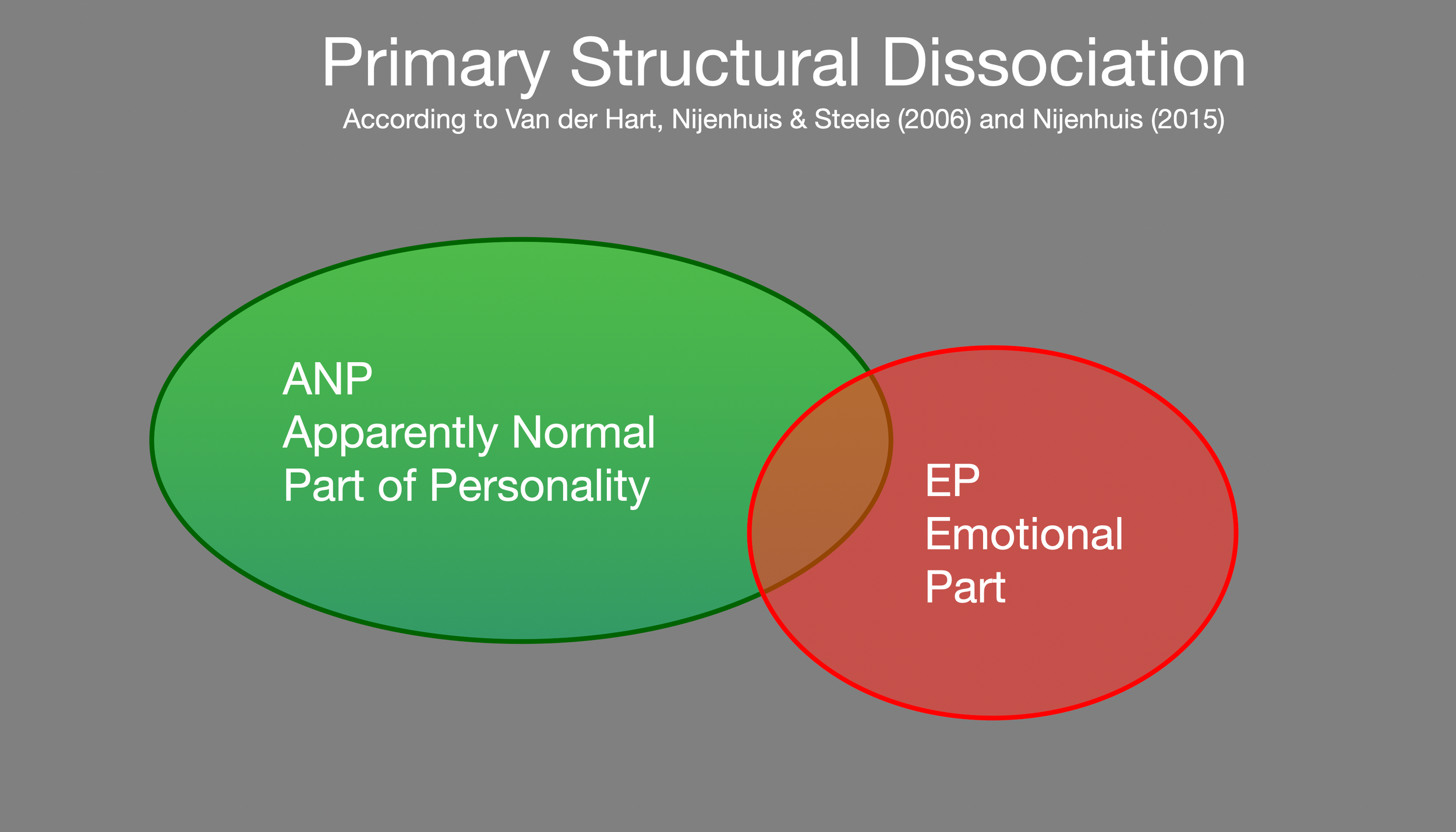
ALICE: Which one? The polyvagal dissociation or the structural dissociation? See, here you have the PVT, and there are these three possibilities of structural dissociation.
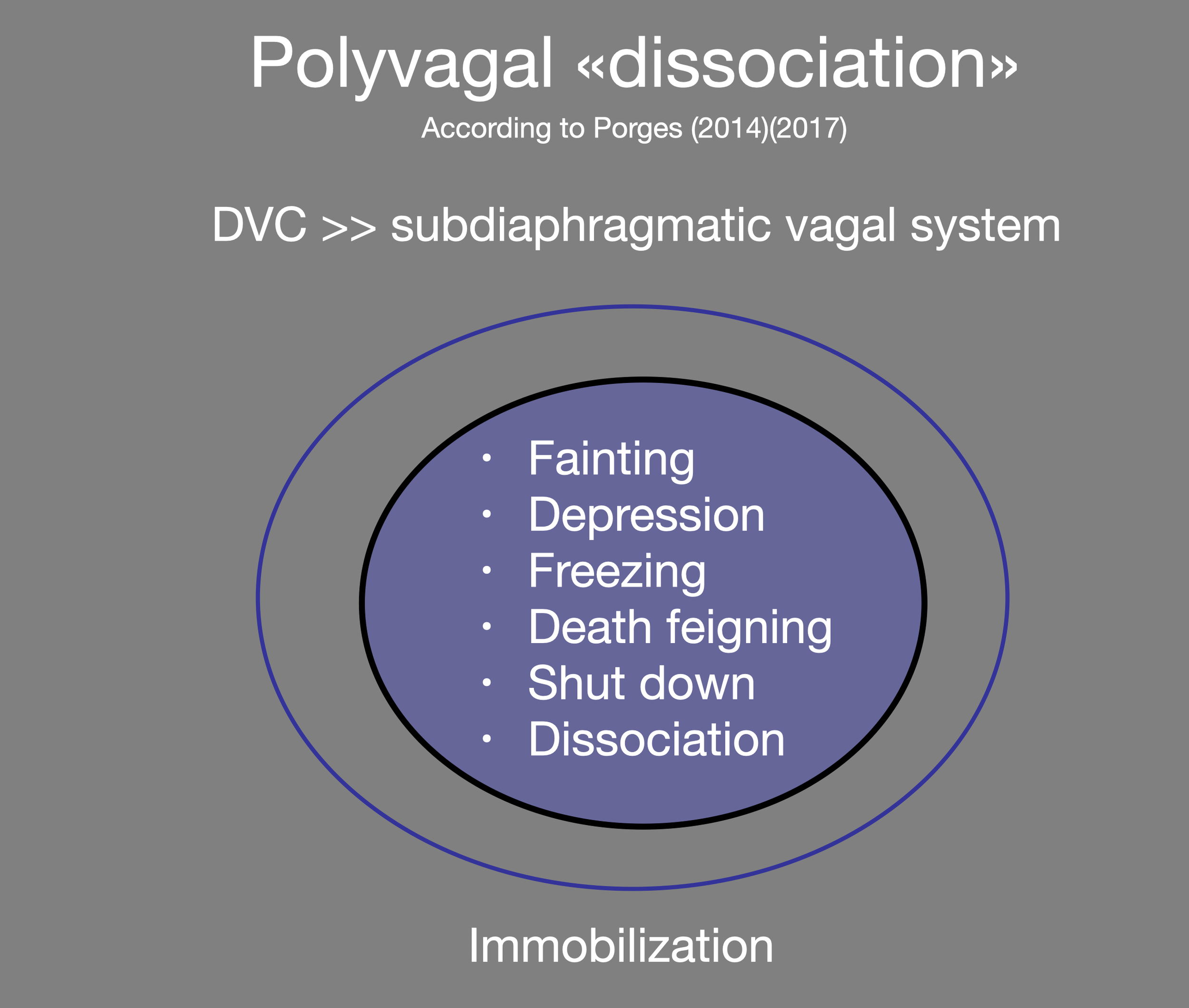
ALICE: Porges makes a chaotic mix of animal behaviors and human mental disorders, all under the global concept of “immobilization,” which he links to the dorsal vagal complex.
BOB: The “sac à puces!” The fleabag! We never know what he means by dissociation: numbness, depression, dizziness, the whole bazaar! In reality, not a single behavior on the list is related to the DVC. This is unbelievable! So what do you say, Ben, as an expert in clinical psychotraumatology?
BEN: Oh, an expert! More like a practitioner. A shy smile appeared on his face. In clinical psychotraumatology, we distinguish between “detachment” — such as depersonalization and derealization — and dissociative identity disorder. In both cases, immobilization plays a minimal role. We may have localized dissociative paralysis, but this differs significantly from the animal response to threat. We must be careful when comparing animal and human responses. The PVT assimilates dissociation to an animal behavior of submission and faking death. That is not what we see.
ALICE: Then what do you see?
Ben: These are much more complex disorders involving consciousness and memory. Remember, the PVT is based on Levine and van der Kolk, who mainly treat simple trauma or primary dissociation.
SAM: Looking lost. Meaning what?
BEN: A guy has an accident. He has recurrent nightmares and flashbacks and avoids driving. This is a simple trauma. Complex traumas are usually chronic and involve various forms of violence, starting in childhood.
ALICE: Ben, can we apply colors to structural dissociation theory?
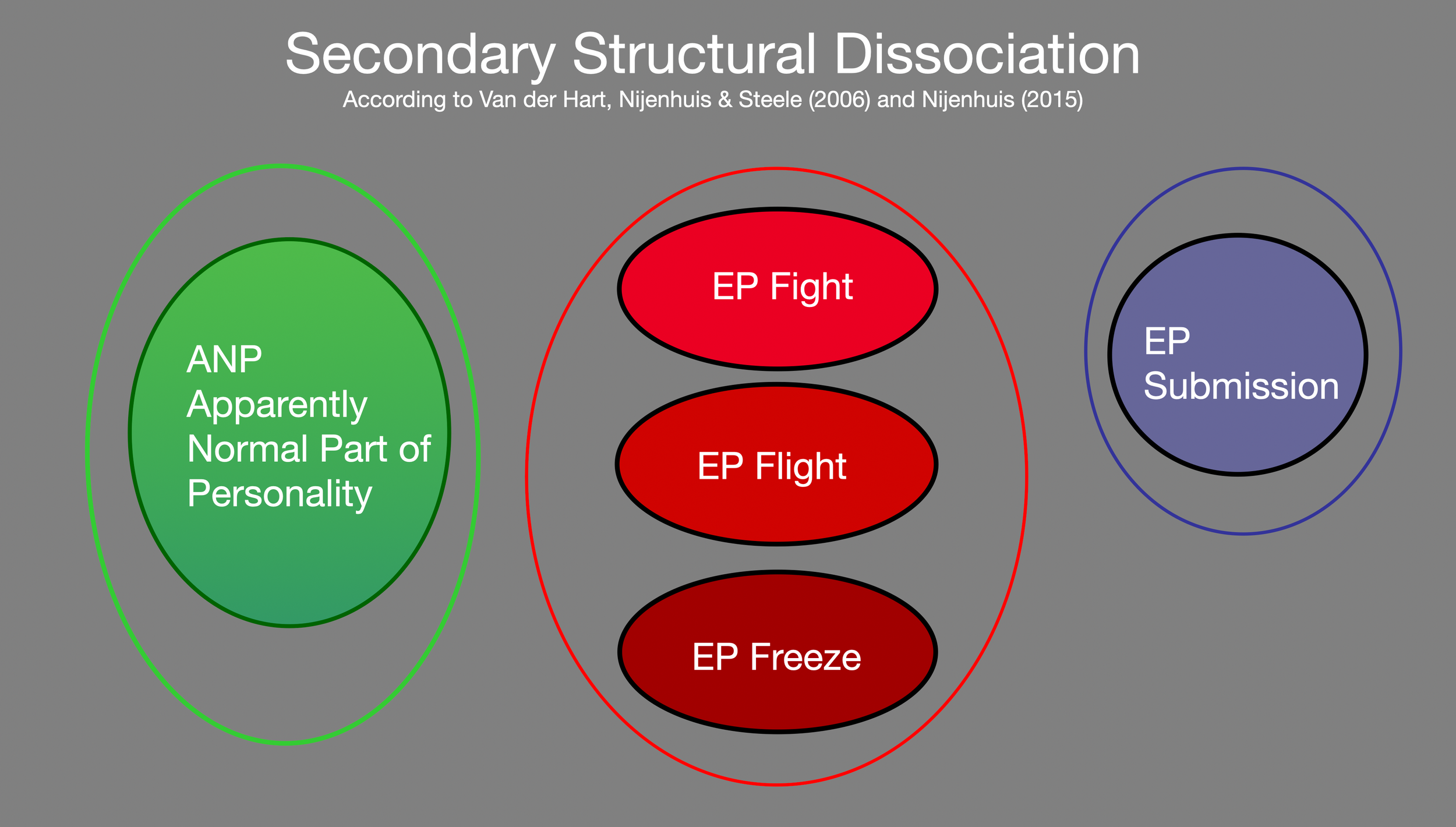
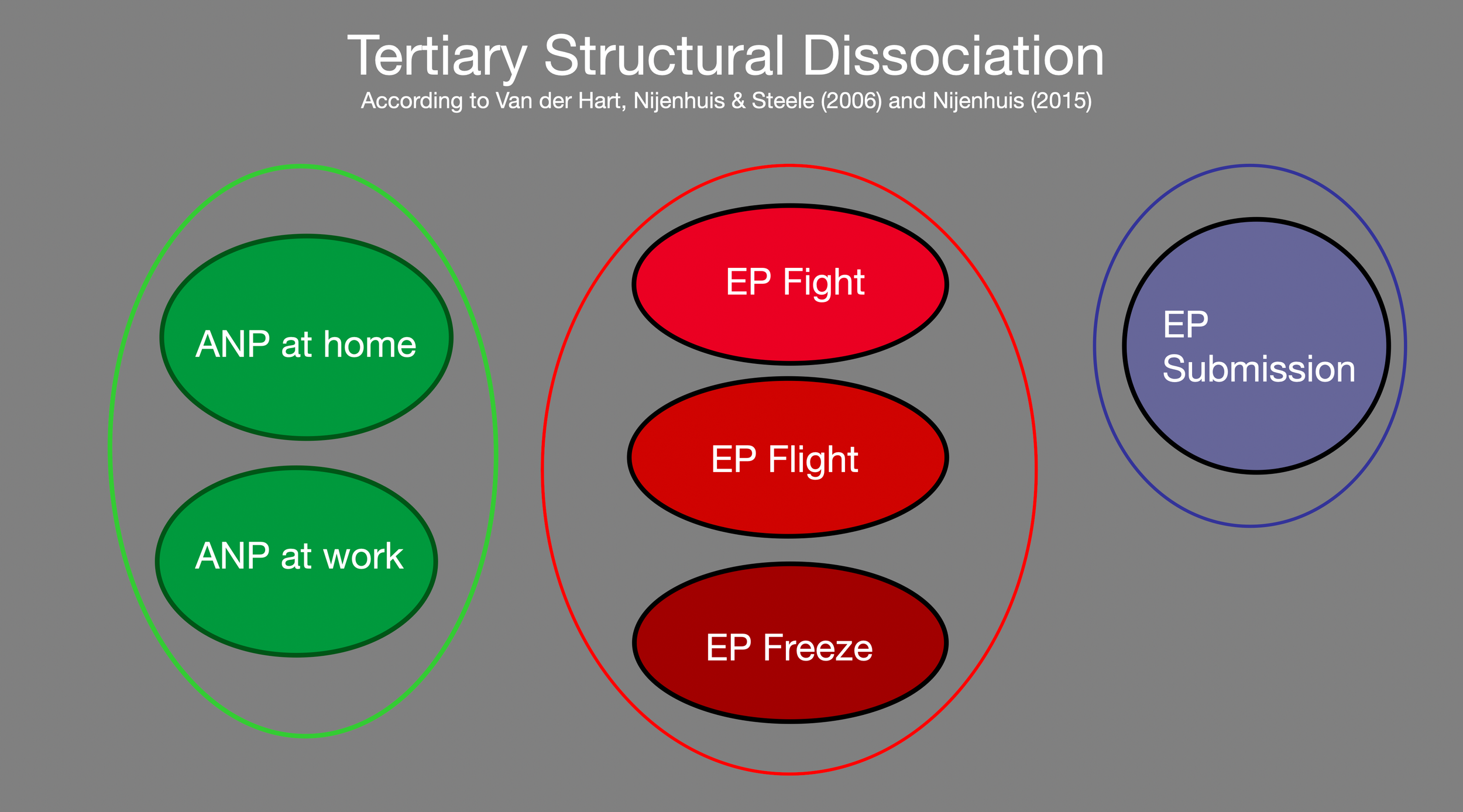
I showed him three color graphics (see below) that I had borrowed from the Swiss therapist.
BEN: Nice! Wait, I need to think for a moment. After a while, he answered. I would say yes and no. Let's start with the no: the psyche does not exactly split into colored parts. In DID patients, the dissolution is more anarchic and chaotic. It's more about identities or characters like we see in the movies — a kind of internal distribution of roles: a brave woman, a monster, a bunch of lost kids. Still, observing which energy zones these characters are at home is interesting. The part that identifies with the predator tends to be in the red. The victims, mostly childish, hide in the blue, although they may attack the therapists in a passive-aggressive way. The ANP is clearly in the green, but now it's even more fascinating because the dissociation and splitting don't come so much from the EP. The ANP breaks contact, isolates itself, and tries to suppress memories. Dissociation is protective here. But it comes at a price. A lot of energy gets stuck in the EP's, you see. The ANP is drained, weak, anxious, and worried. There is a tremendous amount of energy behind the dam. So, yes, colors help us understand structural dissociation — a lot.
SAM: I want to bring up another point about colors and dissociation. Porges equates dissociation and shutdown; you, Ben, describe a green variation. Do we have red dissociation?
BEN: Absolutely! When you are fully engaged in a dramatic action, say a firefighter fighting for hours with his face to the furnace, there is a massive risk of ignoring the environment and getting that tunnel vision. We also see in PTSD have flashbacks, which, according to Nijenhjuis, are dissociative and highly impregnated with a sympathetic tone.
BOB: Is this red dissociation only bad, then?
Ben: Not at all! There are positive aspects to red dissociation. Legend has it that running monks could run for days, completely immersed in their visualization. Hypnosis also relies on a similar positive dissociative mechanism. There is plenty of scientific evidence to support this.
BOB: Fundamentally, dissociation is not good or bad; it is also unrelated to the brain stem. Right?
BEN: Yes, the mechanism is higher in the brain. Maybe, at the level of the anterior cingulate cortex–the ACC.
ALICE: Yes, it seems that hypnosis is about connecting networks. But to be honest, neuroscientists are still searching. Anyway, the PVT is no help here.
ALICE. This is a rough representation of the three stages of structural dissociation as described by van der Hart, Nijenhuis, and Steel. In reality, the different parts are much more intertwined. In the past, I would also relate these three columns to the PVT classification: ANP to the ventral, active EPs to the sympathetic, and submissive EPs to the DVC. I have since stopped doing this, as it is completely wrong.
Lunch Time
One brake or two brakes?
We were all sitting around the table. Bob was lost in thought as usual.
SAM: Bob? Are you with us?
Without answering, Bob began tapping a rhythm on the table with one hand. Then he stopped.
BOB: OK, guys, let's try something! Everybody starts tapping with one hand like me! Quickly!
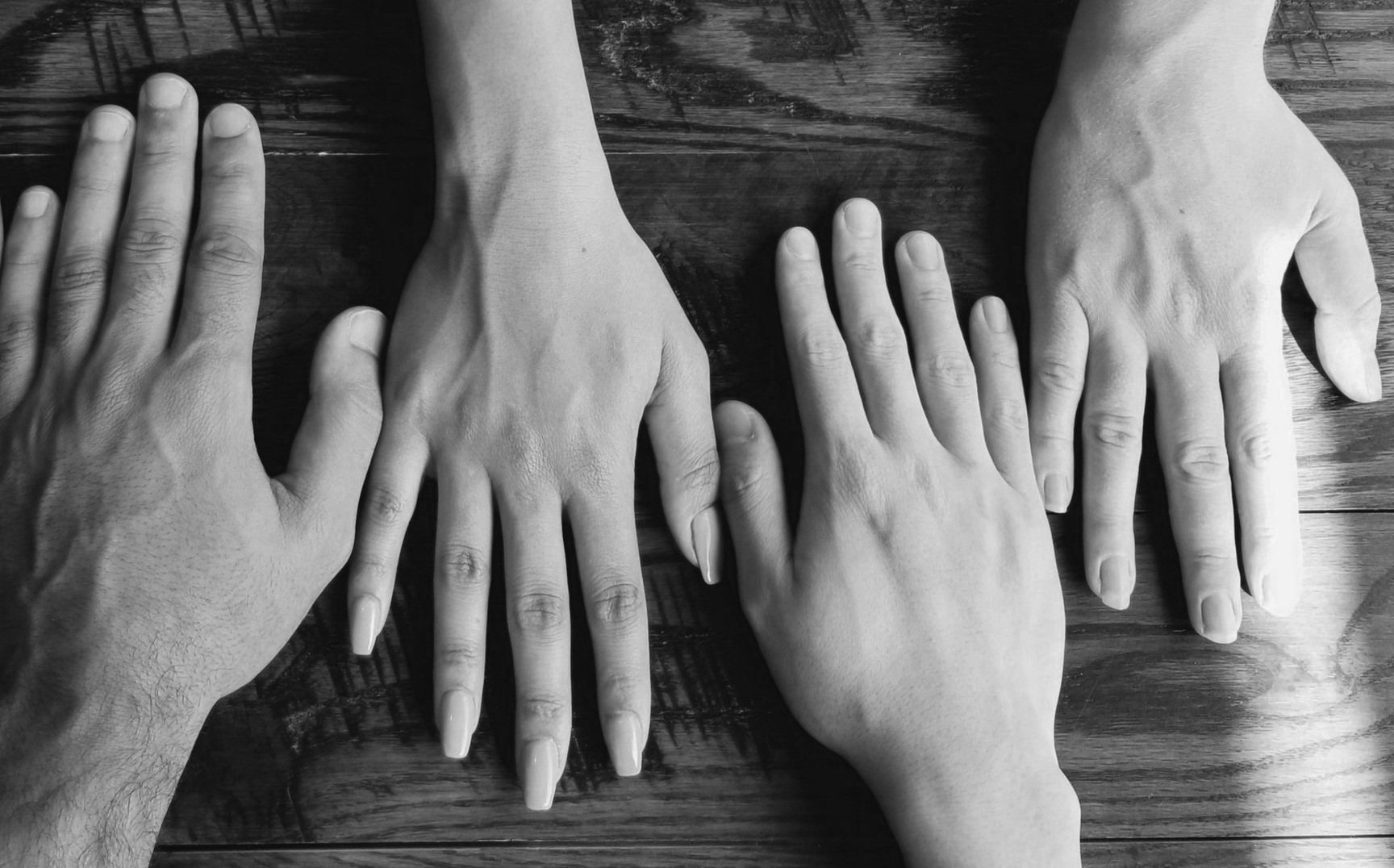
Everyone stopped talking and started tapping — intrigued. Bob was always up to something new.
BOB: Together! That's right!
After twenty seconds, he slowed the pace but maintained the regularity. Twenty seconds later, the rhythm became chaotic and erratic. Later, he accelerated the pace, pulling everyone along. When the rhythm became fast again, he tried to introduce variations, which was much more difficult. After a while, he stopped.
BOB: OK, what did you observe? Just the facts!
SAM: You changed the rhythm, fast, slow, fast, ...
BEN: The variability ... you introduced variations twice, once during the slow taping and again during the fast taping—which was less easy.
BOB: Good, but that's not all!
ALICE: One hand was enough for two parameters: frequency and variability.
BOB: Fantastic, Alice!
SAM: I don't get it; what's ... so great?
ALICE: According to Porges, the ventral vagal complex creates the variability, while the dorsal vagal complex slows the heartbeat — he calls it neurogenic bradycardia. But from more recent studies–you know, …, Machhada, all that–we know that the VVC, or more specifically the external formation, causes bradycardia. So, one center controls both the speed and the variability!
BOB: In his first major polyvagal statement, Porges argues that since the parasympathetic is both a positive health index and a threat, there must be two parasympathetic sources. He soon finds confirmation in the literature — this is the basis of the ventral-dorsal dichotomy. But as we see, this is a fallacy of ambiguity. We don't need two hands to slow down the rhythm — the heartbeat — and create variability. When we drive a car, we can similarly slow down the car and keep variability with one — at least in theory.

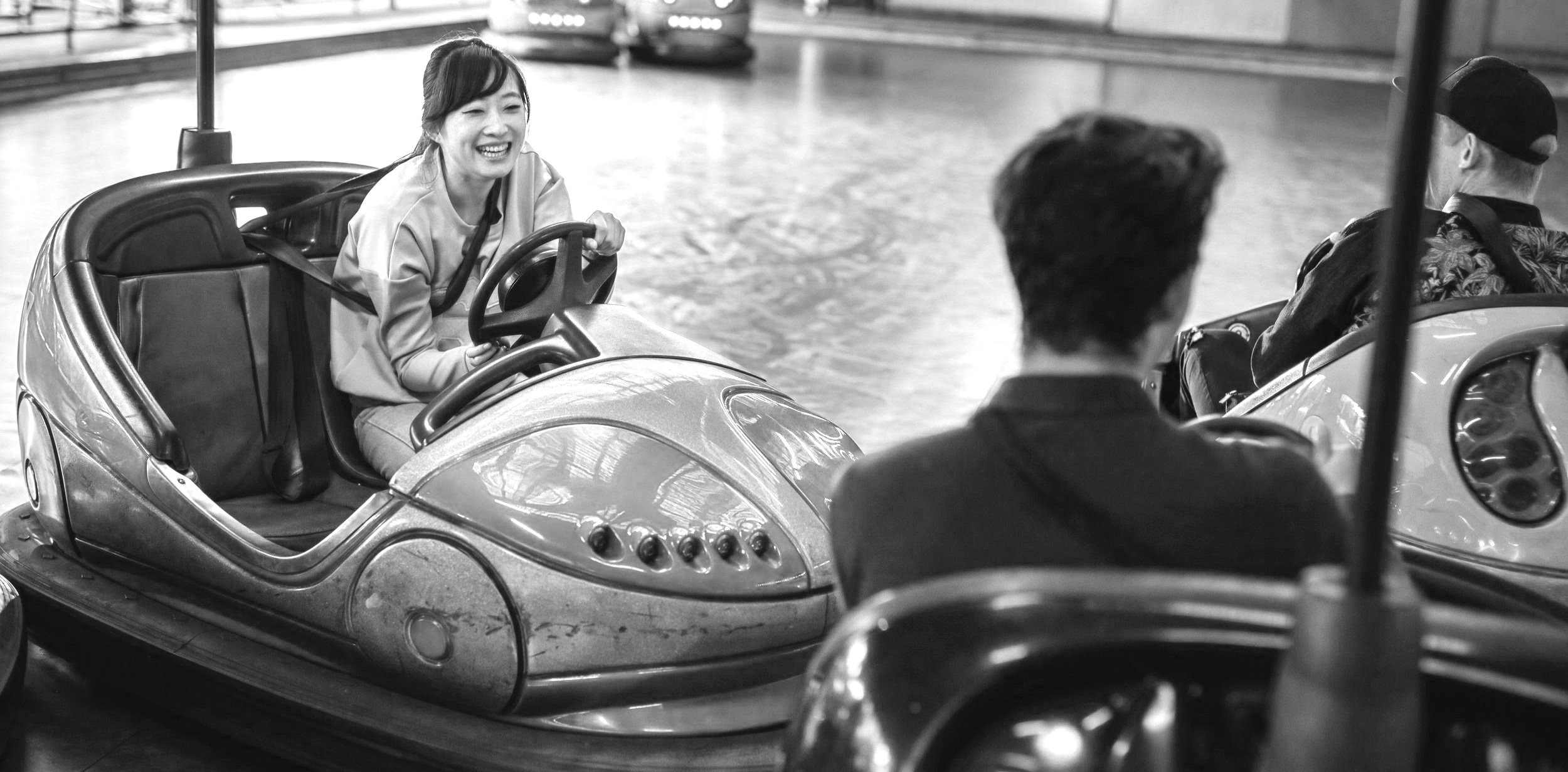
SAM: When I was a kid, my dad would take us to the amusement park — the roller coaster, you know. I remember those bumper cars. They were just like you described about the heart. As soon as the game started, the car would start moving forward — pretty fast, I have to say. The only way to slow it down was to hit the brake — there was only one pedal. No gas pedal, no sympathetic system. So, you kept your right foot on the brake, all the time, unless you were going in a straight line, but still varying with finesse. VERY fun, but of course, primitive. A perfect model for the ventral parasympathetic: slowing and varying deceleration with just one pedal — one foot.
Afternoon 2
BOB: So, Ben, what will you teach us this afternoon?
BEN: He smiled. Today, we are going to kill the hierarchy!
This was a surprise — coming from Ben. Alice, Bob, and Sam waited expectantly as Ben pulled three dice — red, green, and blue — out of his pocket.
BEN: The Alice and Bob model is attractive, but Sam and I needed to adapt it to real life. For me, that means in a psychotherapy or clinical setting. For Sam, it means in current urban situations. Fortunately, we don't have to change much in your model.
He slowly placed the cubes on each other–blue on the bottom, green, and red.
BEN: We see here, symbolized, the three energy states of a living system. Over the years, I have asked myself: What is the right strategy for the transformation we call psychotherapy? In the polyvagal perspective, it's increasing vagal tonus and social engagement. Personally, and for many therapists, it doesn't work that way. Even Peter Levine doesn't work that way. To escape helplessness and mental freezing, we must first increase mental energy. The best way to do this is through physical exercises. Whether mental or physical, these exercises always involve movement, such as taping in EFT or eye movements in EMDR. But we don't need vigorous movements like the bioenergy pioneers did fifty years ago.
SAM: But exercise can also help, right?
BEN: Indirectly, yes, but not as psychotherapy. We have to find the window of tolerance and navigate between hyperactivity and hypoactivity. For many years, I thought the idea was to get the patient from blue to red and then from red to green — the social space. That is a good strategy in many cases.
BOB: So what made you change?
Ben: Two things. One, I took a training course in rapid hypnosis. Second, I discovered the problem of burnout.
BOB: Cool! What is the connection here?
BEN: Rapid hypnosis allows someone to go from one state to another very quickly. One minute, the client is talking. The next minute, he is completely relaxed, immobile, heavy, and virtually unresponsive to external stimuli — from green to blue. Now, blue is immobility, and in the polyvagal narrative, immobility is bad.
ALICE: Yes, there is a polyvagal obsession in this belief that immobility is negative.
BEN: The fantastic thing about hypnosis is that you can get into this state of pleasurable indifference without the ventral vagal intervention. Of course, a minimum of trust in the therapist is required, and oxytocin increases hypnotizability, but as you see in those Las Vegas shows, social interaction is moderated. However, not only does the hypnotic trance facilitate change (say, quitting smoking), but the trance itself is healing. Blue is good. Period.
ALICE: And burnout?
BEN: Too many people, especially employers, think the trick is to get patients back to work quickly — which usually fails. Patients need a long pause. Pause is a word biologists know well. In winter, nature takes a break and redirects energy underground. People sleep, and so do all animals, including flies. Therefore, the first intervention is to put patients on sick leave, which is difficult for them to accept, especially if they are hard workers. They suddenly feel the signals of exhaustion that they have ignored for years or decades. They also learn to say no and withdraw socially, which is the opposite of PVT.
ALICE: But doesn't Porges speak positively about meditation? Van der Kolk is a big proponent of yoga.
BEN: Yes, but Porges proposes a twisted mechanism to justify the positive results. Porges says that the “smart ventral” needs to be activated to counteract the effects of the dorsal vagal.
SAM: A kind of chaperoning, right?
BEN: Exactly! And not only victims, but also introverts...
ALICE: ... and autistic and hypersensitive people...
Ben: ... seek hidden spaces, silence, and low-energy social activities. Blue is a healing space. Green, with all these words and social pressures, means energy costs. I remember a few weeks after the terrorist attack on the towers in New York, I was in the subway, and I saw this guy with a white T-shirt that said, “Don't talk to me about 9/11!"
ALICE: Impressive! Ben, what about your dice?
BEN: There are two ways to place the dice. Vertically, as in the ladder model, or horizontally. The flat model challenges the hierarchical paradigm and is more appropriate to describe the psychotherapeutic intervention.


Day Three
BOB
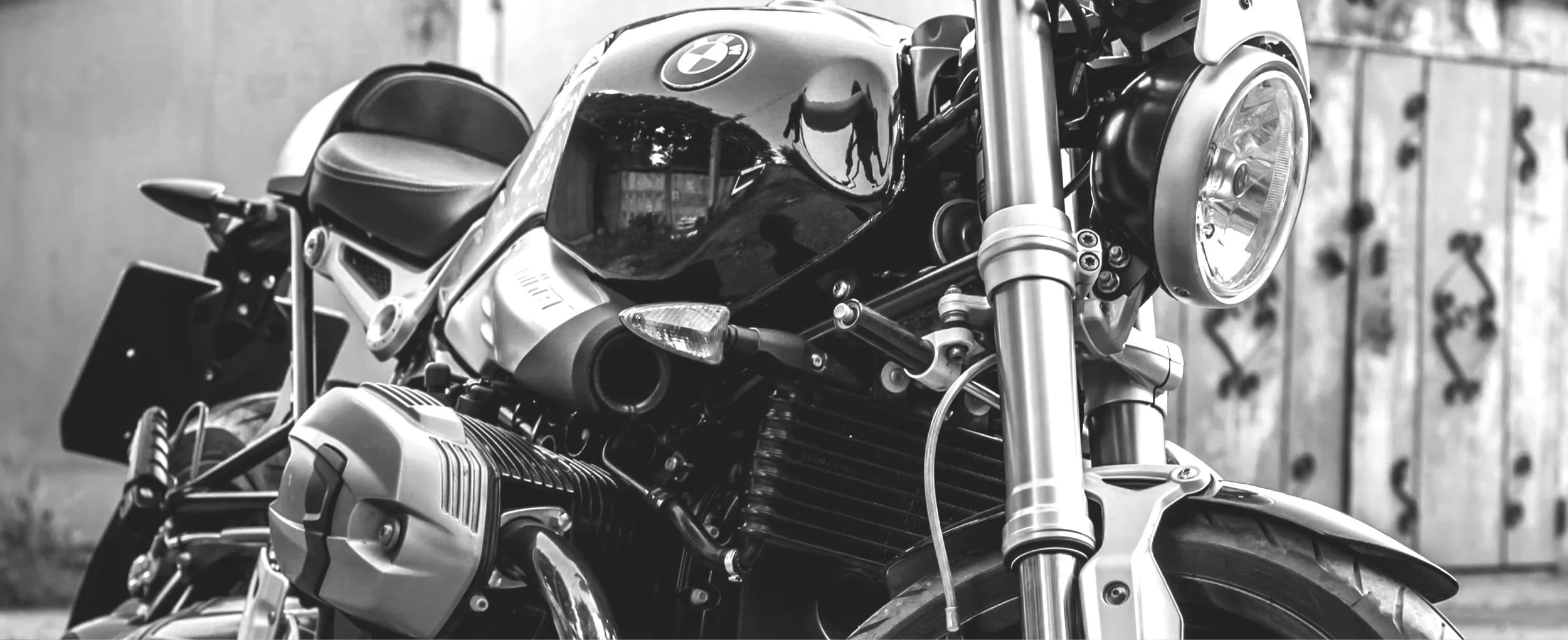
The third day was Sam's day. The night before, Sam and I had picked up two heavy BMWs from the Reykjavík motorcycle garage. The two beasts were now parked behind the house. The rental rates were insane! So we all got up at dawn to make the most of the day. Sam had spent an hour explaining to Alice the route, places to visit, options, challenges, meals, breaks, equipment, bikes, fuel points, and passenger distribution. Sam would be riding with Alice on the BMW 1250 women's team. I was used to mid-sized bikes and would ride the BMW 800 with Ben on the back.

SAM
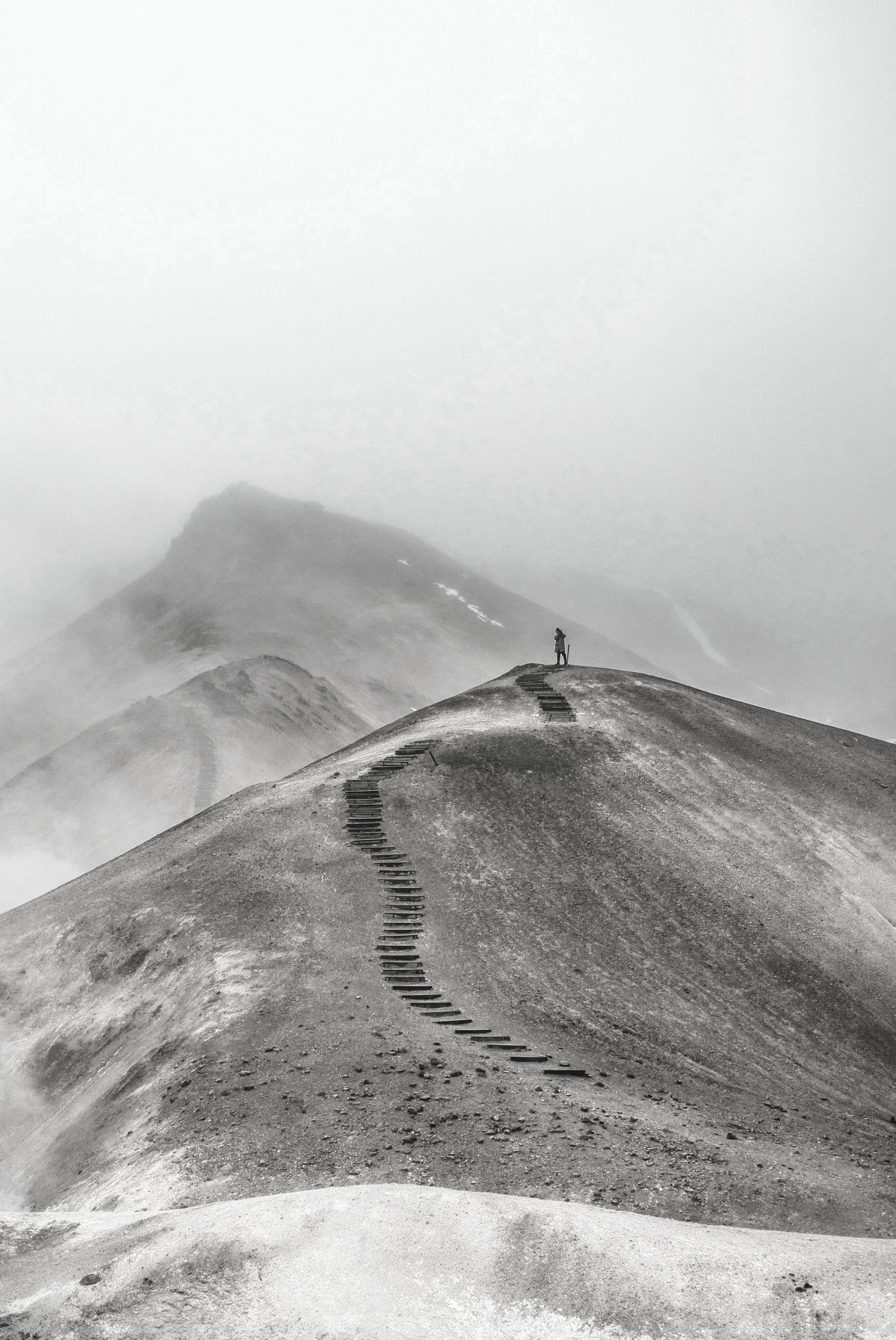
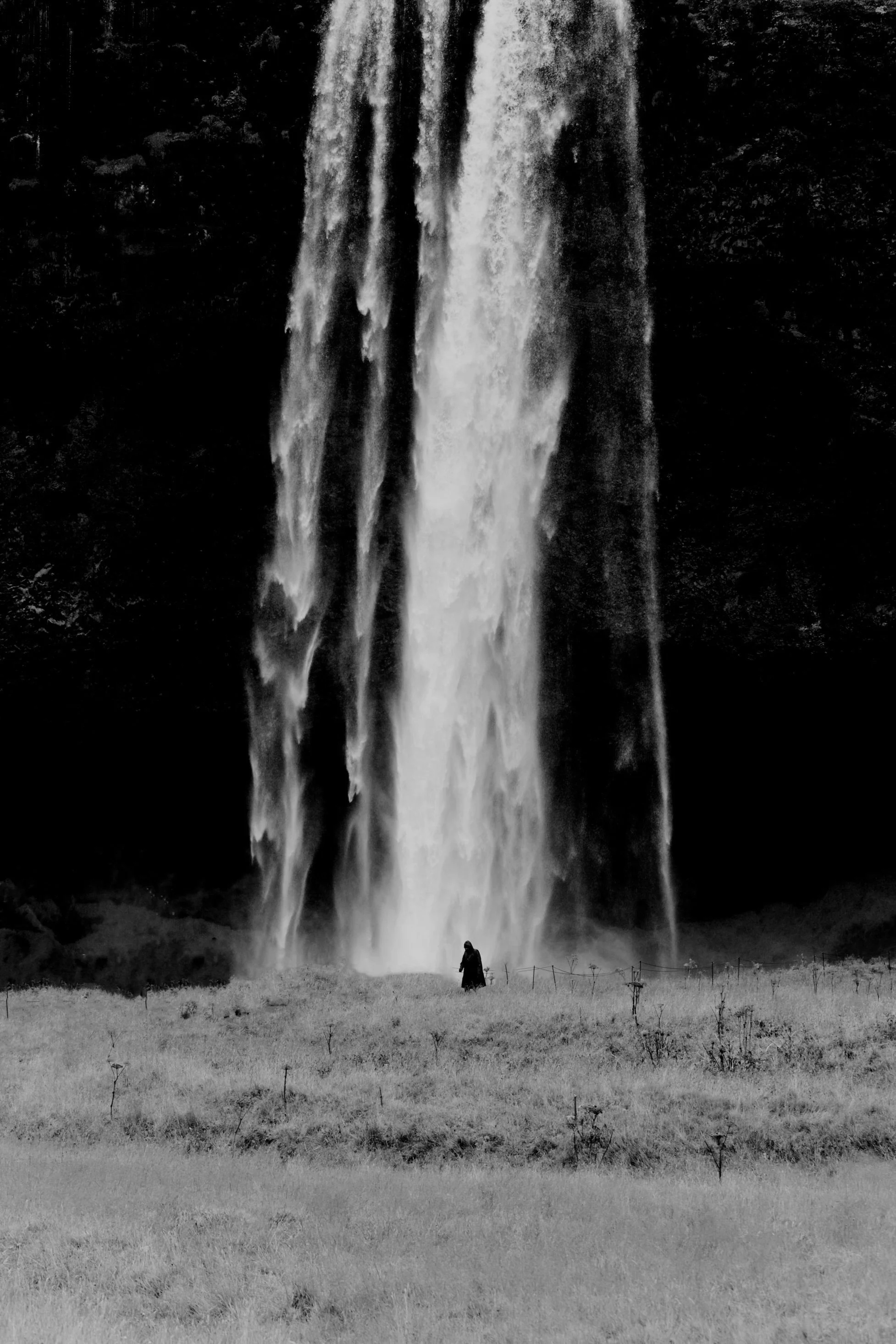
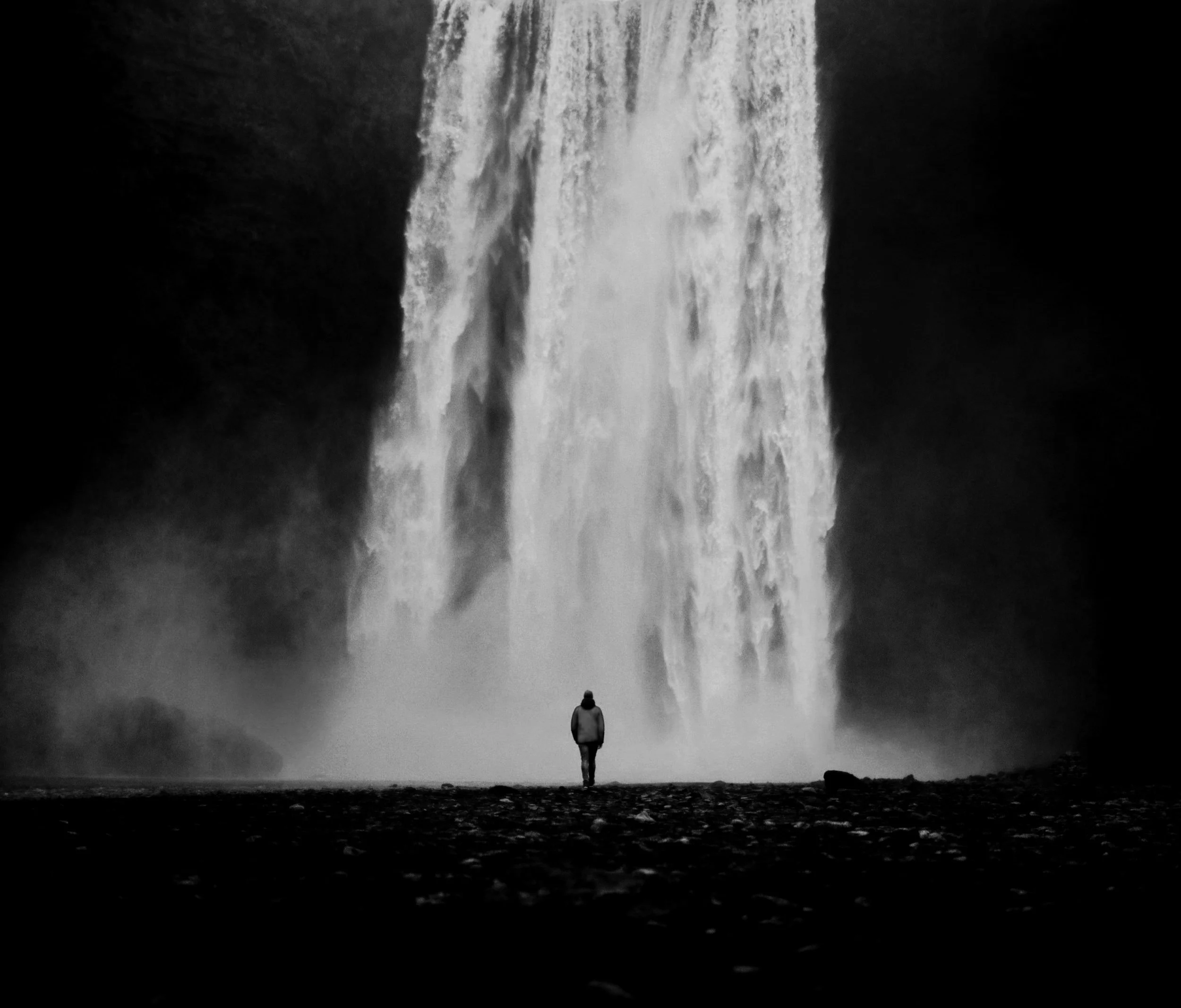
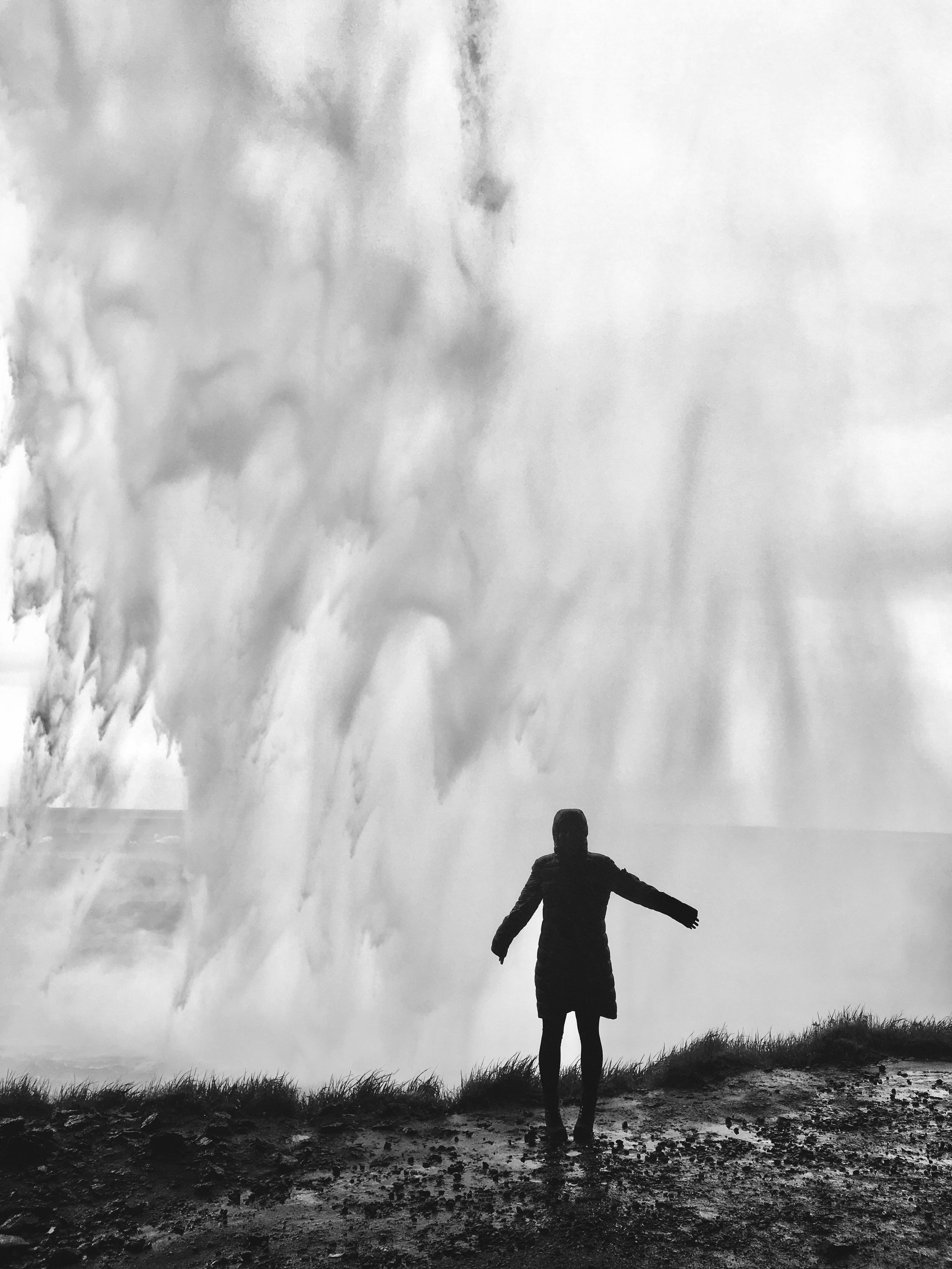
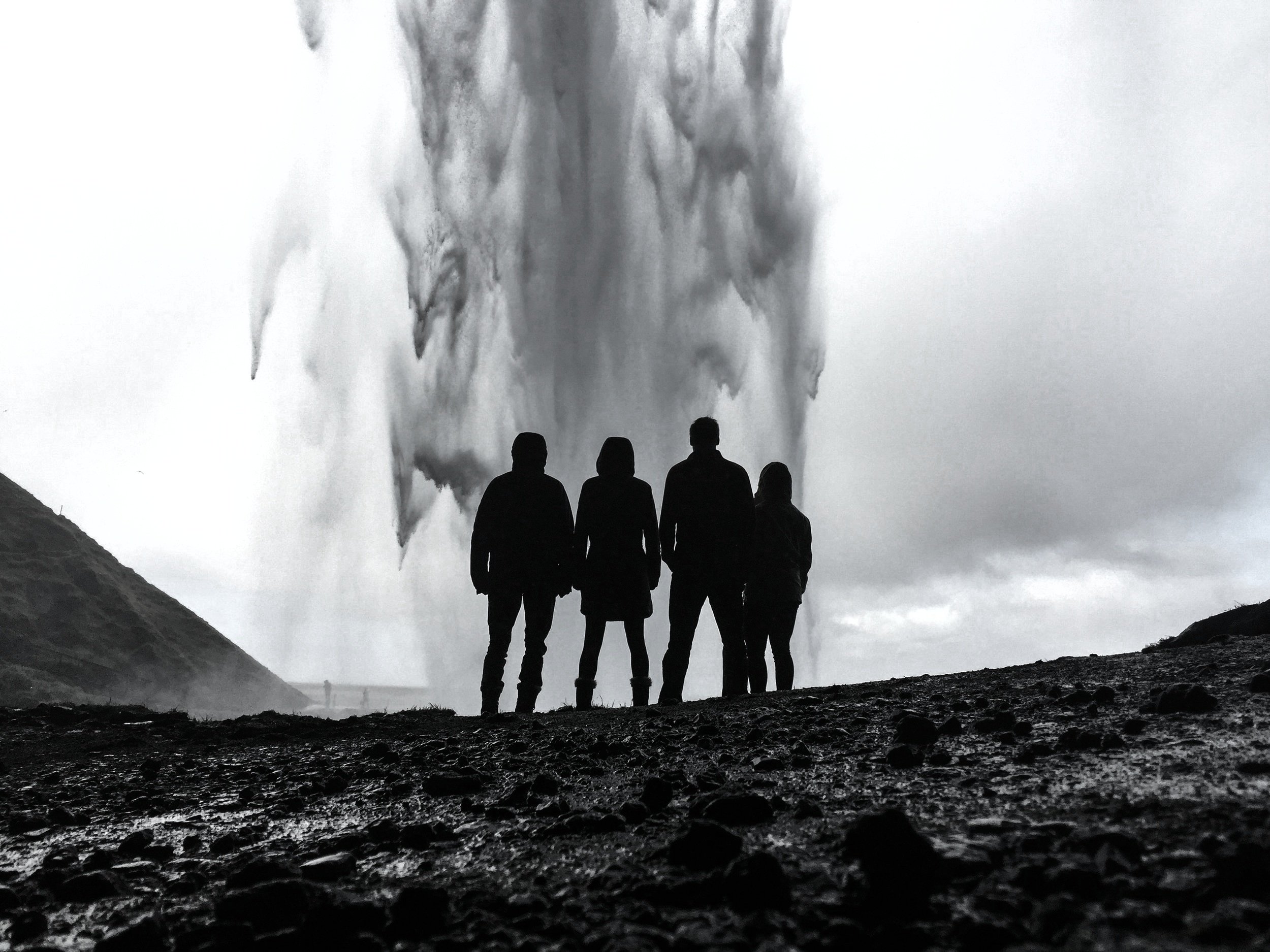
The 300 km route was to visit different places of power — fire, and ice — where you can feel the power of nature, with something mystical or majestic, depending on your taste. Iceland was the right place for this: huge waterfalls, hot springs, geysers, and glaciers. He also added motorcycles: power, noise, and speed. It would be a bit risky to play with cold cascades.

ALICE
When Bob told me about “Sam's Day” on wheels, I was really scared, but challenges have been part of my self-help routine for a long time. As always, I took the time to learn everything I could about the BMW 1250 that Sam and I would be riding. I visited the local BMW shop, watched videos, and found a book. Thanks to Google Maps, I drove the route a few times virtually — as much as possible, the Google car hadn't filmed everything. I was ready. I even began to love these steel beasts, and once surprised myself by caressing parked motorcycles as I walked by.
BEN
I'm no sportsman — my city bike aside. But I decided to try it and let myself be carried along. I was surprised to see how Bob, my “pilot”, always remained focused. He moved the machine with elegance and certainty.
SAM
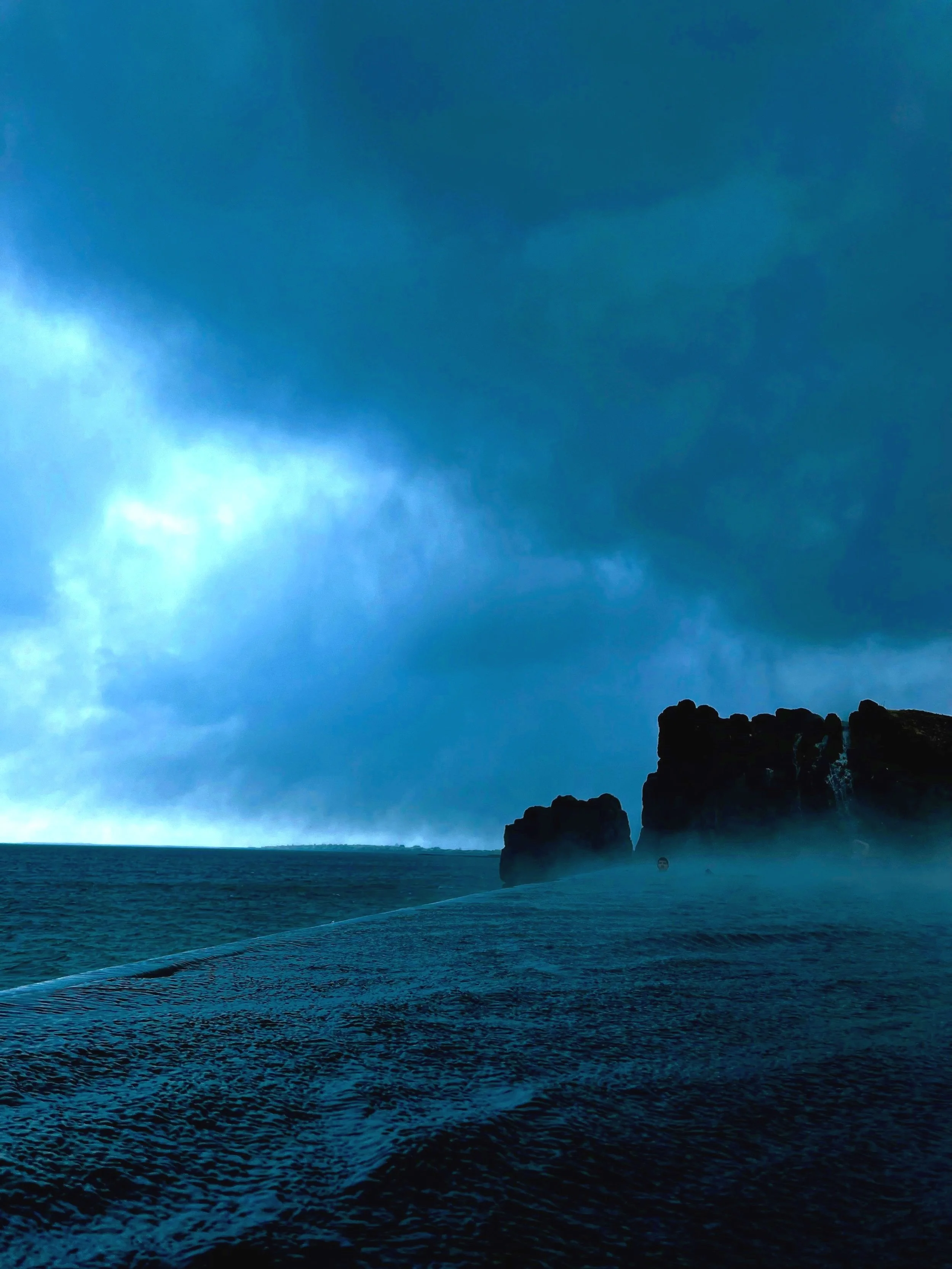
It had been a noisy day, especially for Alice: revving engines, thundering water crashing twenty meters below on the gravel, wind in the ears while riding, and the brutal explosion of geysers. Before returning the bikes in Reykjavik, we made a last detour and enjoyed a "blue hour" at the Sky Lagoon. Warm, quiet and peaceful. On the way home in the van, Alice, Bob and I all fell asleep and didn't wake up until Ben stopped in front of the house.
Feedback at the fire place
SAM
As we sat together after a hearty dinner, I asked everyone for feedback.
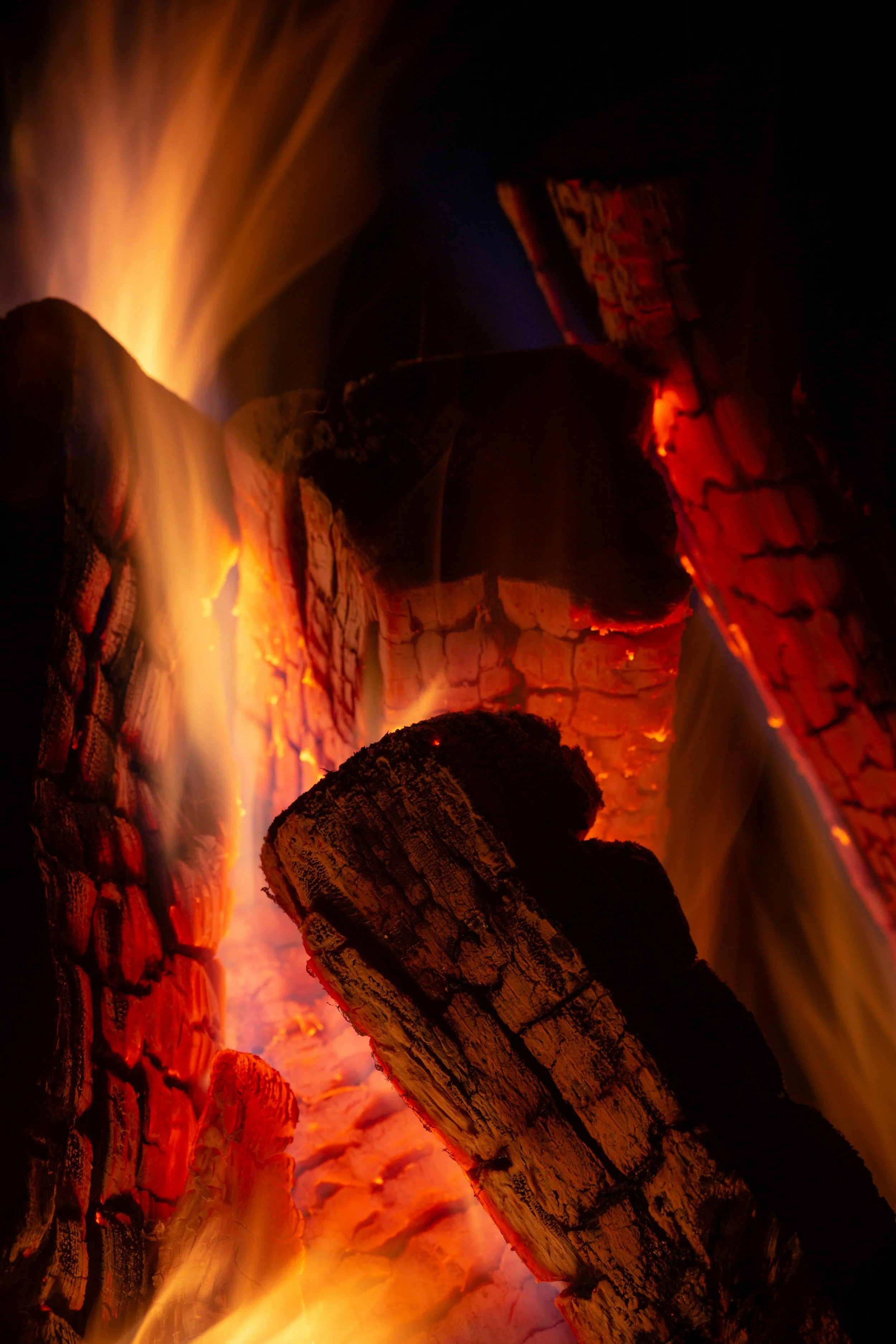
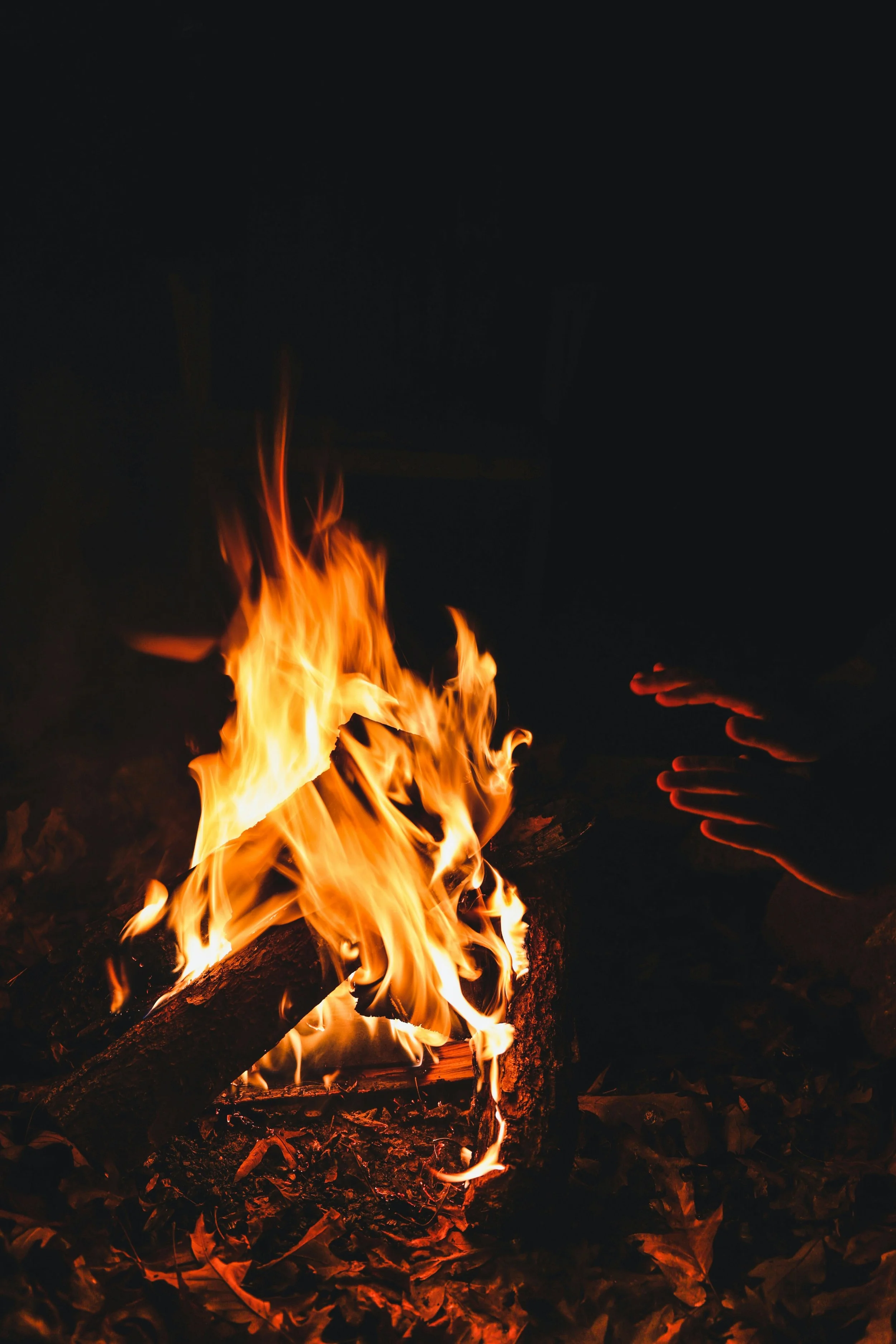
ALICE: I loved the challenge and how you, Sam, gave me all the information a day in advance; I was ready for the tour. You were alert the whole time, quick to react and full of precision. And looking at this fire here, this red fire, after a day of action, I understand better who you are: a girl on fire! I enjoyed our girl time!
Alice chuckled.
BOB: Yeah, respect, Sam! The way you managed to send us on this surprise day full of challenges, to go behind this huge waterfall, two hundred miles of road ending at the Sky Lagoon, and that fire out there... Man, it was great. I love you for that. All that energy, that intensity... I'm sorry, I'm a little emotional.
Bob wiped away a tear. We hugged.
BEN: Sam, the organizer, and Bob, my driver, you did an extraordinary job! And you too, Alice, sitting proudly on the BMW — what a surprise. To think you couldn't even ride a bike as a kid! Of course, while half of me was enjoying, the other half was observing. We barely spoke the whole time. It was all about connecting with a few words, ... precision, and concentration on the action. Now, I'm both exhausted and energized. Presence, yes, that is the word. I feel myself. Strong. I feel strong. Bless the adrenaline!
SAM: felt a strong connection with all of you today. Thank you for trusting Bob and me!
BEN: I have to say, I’m glad you didn’t drag us to some fitness club downtown to “stimulate” our sympathetic system!
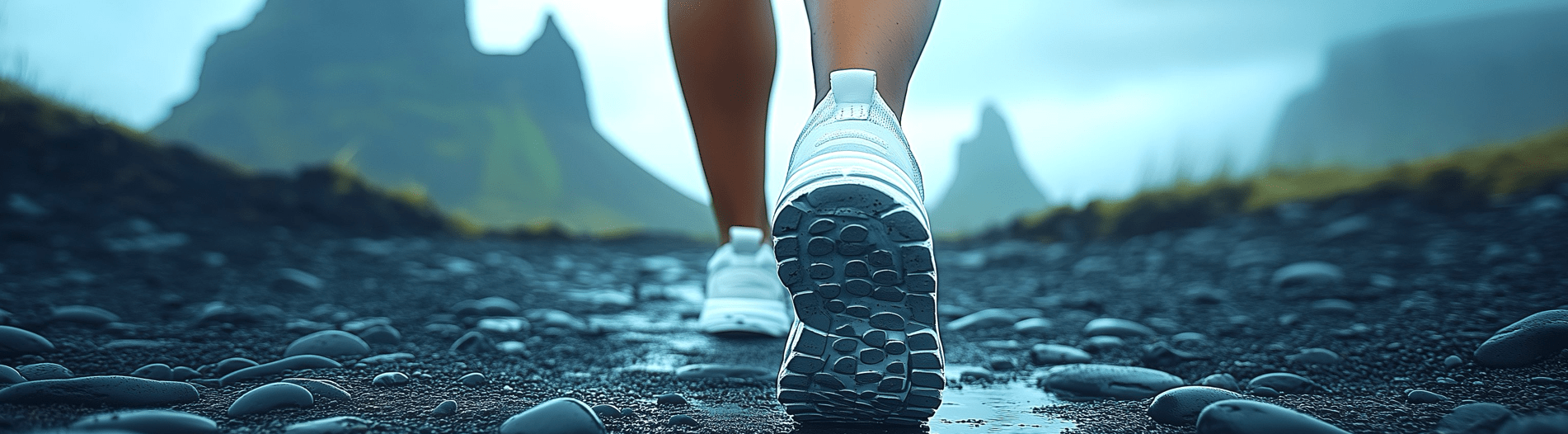
SAM: No way, Ben. This is Iceland. Nature is the real shaman here. The waterfalls, the volcanoes, the waves, the black soil... I mean, where else can you find more inspiration for a power day? Plus, speeding on a big bike—if the sympathetic system is about anything, it’s about speed and power, right?
GOING HOME
BEN
It is Sunday, the fourth day of our workshop. Our plane to New York leaves at 5 p.m. and arrives at 9:10 p.m. Alice and Bob are flying to Paris and Brussels. We had a short working session in the morning. Alice presented a ten-point resume that she had worked on during the night — our alternative model.
Standing at the departure gates, we are all moved — it is time to say goodbye. We hug and kiss again. Alice hugs Sam, gives Bob a double handshake, and hugs me.
ALICE: Laughing. My big brother!
Ben: Always, Alice! Always!
Bob: No hard feelings, Ben?
Ben: No!!! But in case, ...
I give him a few fake punches in the stomach, though. He giggles.
Bob: Enough! I surrender!
We hug.
Ben: We stay in touch! See you soon!
>> to the next chapter Alternatives